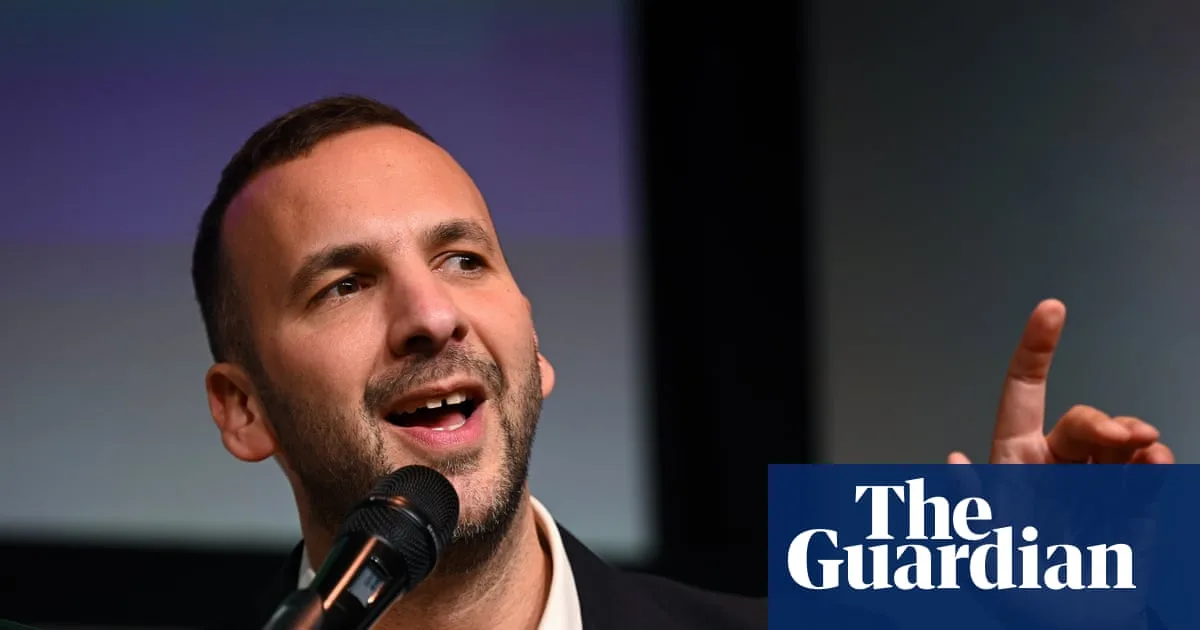
The leader of the Green Party has issued a radical call for the United Kingdom to fundamentally reassess its defence relationship with the United States, including potentially expelling American forces from British bases and withdrawing from the NATO alliance.
A Call to End "Reliance" on American Interests
In an exclusive interview with the Guardian's Politics Weekly podcast, Zack Polanski argued that Britain has become dangerously dependent on American military cooperation. He stated that the nation must "wean itself off" this reliance, which he claimed leaves UK security vulnerable to the whims of the US political climate, particularly under a potential Donald Trump presidency.
"I think it's pretty worrying that we've allowed ourselves to become so reliant on American interests, and that a lot of this depends on if Donald Trump is in a good mood or not," Polanski said. His comments arrive as Prime Minister Keir Starmer works to manage transatlantic tensions, with President Trump threatening to impose tariffs on European allies and even invade Greenland.
Reviewing Bases, Abandoning NATO and Nuclear Weapons
Polanski's proposals represent a significant dismantling of the longstanding UK-US defence alliance. He explicitly called for a review of US bases on UK soil and advocated for the UK to leave NATO, a position not yet official Green Party policy. He justified this by asserting that Trump holds too much domination within the alliance for it to be reformed from within.
Furthermore, the Green leader reiterated his party's commitment to unilateral nuclear disarmament. He expressed a desire for the UK to abandon its nuclear arsenal and attempt to persuade other nuclear-armed nations, including Russia, to follow suit. "If we're not willing to have conversations about peace and diplomacy... then what are we doing here?" he questioned.
Confronting Trump and Tackling Inequality
Polanski was sharply critical of both US and UK leadership. He labelled Donald Trump as "dangerous," citing his enabling of Israeli Prime Minister Benjamin Netanyahu and the situation in Gaza, while acknowledging Vladimir Putin has "clearly done more" in terms of direct threat. He accused Keir Starmer of "putting his eggs in the basket of being on the good side of Donald Trump."
The Green leader also defended his controversial economic policy: a wealth tax of 1% on assets over £10m and 10% on those exceeding £1bn. He estimated this could raise £15bn to £25bn annually. Dismissing fears of a capital flight, Polanski argued the primary goal was tackling inequality, not just raising revenue. "If you allow people to hoard assets, that removes other assets for other people," he stated.
This bold vision for UK defence and foreign policy, set against a backdrop of potential trade wars and escalating global instability, marks a clear alternative to the current cross-party consensus on security and Atlanticism.






