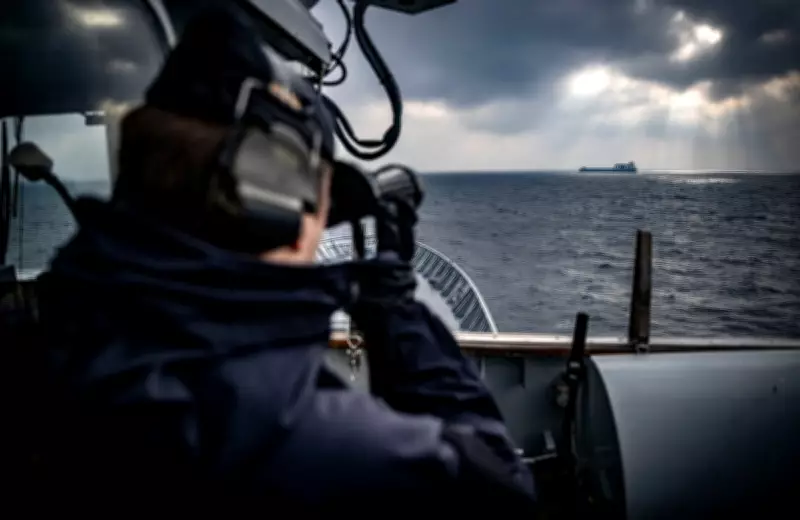
In response to escalating security concerns, European countries and the United States are intensifying their defence strategies in the Baltic Sea area. This move comes as intelligence reports indicate a heightened risk of Russian sabotage operations targeting critical infrastructure and maritime assets.
Growing Threats in the Baltic Region
The Baltic Sea has become a focal point for geopolitical tensions, with nations like Estonia, Latvia, and Lithuania expressing alarm over potential Russian aggression. Recent incidents, including unexplained damage to undersea cables and cyber-attacks on port facilities, have underscored the vulnerability of this strategically important waterway.
Enhanced Military Cooperation
To address these challenges, NATO members and partner states are ramping up joint military exercises and intelligence-sharing initiatives. The United States has pledged increased naval presence and advanced surveillance technologies to monitor suspicious activities. European defence ministers have emphasised the need for a unified approach to deter hybrid warfare tactics, which blend conventional military actions with cyber operations and disinformation campaigns.

Focus on Critical Infrastructure Protection
Key efforts are directed at safeguarding essential infrastructure, such as energy pipelines, communication networks, and shipping lanes. Experts warn that sabotage attempts could disrupt regional stability and economic flows, prompting calls for robust contingency plans. Investments in underwater drones and satellite monitoring are being prioritised to enhance early detection capabilities.
Implications for Regional Security
The bolstered defence measures reflect a broader shift in European security policy, moving from reactive postures to proactive deterrence. Analysts note that while direct military confrontation remains unlikely, the threat of covert sabotage necessitates vigilant preparedness. This situation has also sparked debates on energy independence and the diversification of supply routes to reduce reliance on vulnerable corridors.
As tensions persist, ongoing diplomatic dialogues aim to de-escalate risks, but military readiness is deemed crucial. The collaboration between Europe and the US in the Baltic Sea serves as a test case for addressing asymmetric threats in an era of geopolitical uncertainty.