
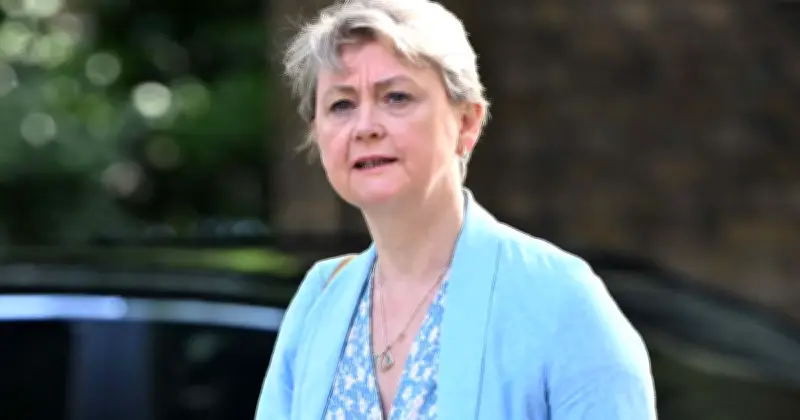
Yvette Cooper, the Foreign Secretary, has publicly demanded a significant increase in defence spending, placing her in direct opposition to Prime Minister Keir Starmer just days before the long-delayed Defence Investment Plan (Dip) is expected to be released. Speaking on the Russian border with Poland, Cooper warned that Britain had become too comfortable with the "post-Cold War peace dividend" and insisted that further investment is essential for national security.
Cooper's Intervention Stirs Political Turmoil
Cooper's remarks have been described as an "open rebellion" by Conservative Party sources, who accused her of breaking ranks with her own government. This intervention adds to the mounting pressure on Downing Street, which is already reeling from the resignation of former Defence Secretary John Healey and Defence Minister Al Carns. Both Healey and Carns quit the cabinet earlier this month, warning that the current funding plans left the United Kingdom less safe.
Cooper told ITV News that the government must "go further and faster" to prepare Britain for battle. "We do have to go further, we do have to invest more," she said, acknowledging that while spending has increased since the 2024 election, "we are going to have to go a lot further." She specifically called for reaching 3% of GDP on defence, with a longer-term commitment to 3.5%.
Defence Investment Plan Under Scrutiny
The Defence Investment Plan, which has been repeatedly delayed, is now expected within days. However, Cooper's public demands have raised questions about its credibility. Conservative sources warned that the Dip "would not be worth the paper it is written on" if incoming Prime Minister Andy Burnham, who is set to take over after Starmer announced his departure on Monday, decides to overhaul the plan entirely. Burnham has expressed support for increased defence funding but has been vague about how it would be financed.
Cooper emphasized the urgency of the situation, stating, "We are going to have to do that. I don't think we have any choice as a country. If we want to be strong and resilient in the face of these whirlwinds and storms around the world, we are going to have to do more on securing our defence." She added that security underpins all other national priorities and enhances the UK's global influence.
Political Fallout and Future Implications
The rebellion highlights deep divisions within the Labour Party over defence policy. Healey's resignation earlier this month, followed by Carns, underscored the internal strife. Cooper's latest comments have intensified the debate, with critics arguing that the government's defence strategy lacks coherence. As the Dip approaches, all eyes are on Burnham to see whether he will align with Cooper's hawkish stance or pursue a different path.




