Century-Old War Book Could Be Revived to Prepare UK for Modern Conflict
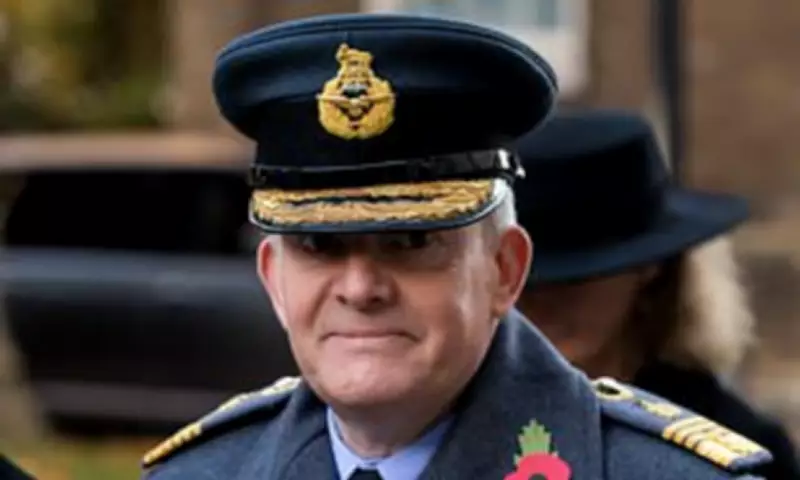
The head of the armed forces has proposed reviving a war book first conceived over a hundred years ago to prepare the nation for possible conflict. Air Chief Marshal Sir Richard Knighton stated that this top-secret manual, originally produced during the First World War, could be resurrected to help educate the public about increasing threats to the relative peace the UK has enjoyed for over three decades.
Historical Manual and Modern Context
This detailed government war book was the first of many such manuals and remained in production until the early 2000s, when it was mothballed in a cost-cutting exercise. Sir Richard emphasised that a revived version would draw on lessons from the Cold War but adapt them to a modern context, considering contemporary society and infrastructure. He explained that NATO describes the transition to conflict as having both military and civilian components, underscoring the need for public awareness and support.
Led by the Cabinet Office and involving all other government departments, the historical war book detailed procedures that were regularly rehearsed and is believed to have significantly boosted national resilience. A 1976 copy revealed a fascinating physical manuscript of hand-typed and string-bound pages. It contained comprehensive lists and plans for mobilising the military, civilians, and industry, including crisis plans for shutting schools, clearing hospitals, rationing food, and even storing national treasures.

Defence Spending and Political Disputes
Speaking at the London Defence Conference, Sir Richard also addressed challenges in defence spending if the military moves towards a war footing. He expressed a desire for a properly funded defence investment plan that delivers results, even if it takes longer to develop. Meanwhile, opposition politicians have criticised the government for delays in publishing detailed defence spending plans following last autumn's Strategic Defence Review, arguing it leaves the country ill-prepared and the defence industry in limbo.
Conservative leader Kemi Badenoch labelled the hold-up a national scandal, accusing the government of prioritising bullets over benefits despite promises to increase defence spending to 3.5% of GDP. In response, Sir Richard highlighted the importance of resilience in infrastructure renewal, such as water, electricity, and transport systems, to counter threats from adversaries above the threshold of war, not just hybrid threats.
Readiness and International Threats
The chief of the defence staff asserted that the UK is ready to confront threats, including from Russia's shadow fleet, noting that the knowledge of readiness to target sanctioned tankers has already led Moscow to divert them. He stated bullishly, Be in no doubt. We are ready. However, Ms Badenoch countered this at the conference, dismissing Defence Secretary John Healey's claims of readiness and stating that Britain is not prepared for conflict. She criticised the lack of plans for buying equipment, enacting the Strategic Defence Review, or re-arming Britain, urging tough choices to address funding issues.
Sir Richard welcomed the Cabinet Office's cross-government work on resilience, emphasising the need for different choices and priorities. As debates over national preparedness intensify, the potential revival of this century-old war book symbolises a blend of historical wisdom and modern adaptation in facing evolving global threats.