
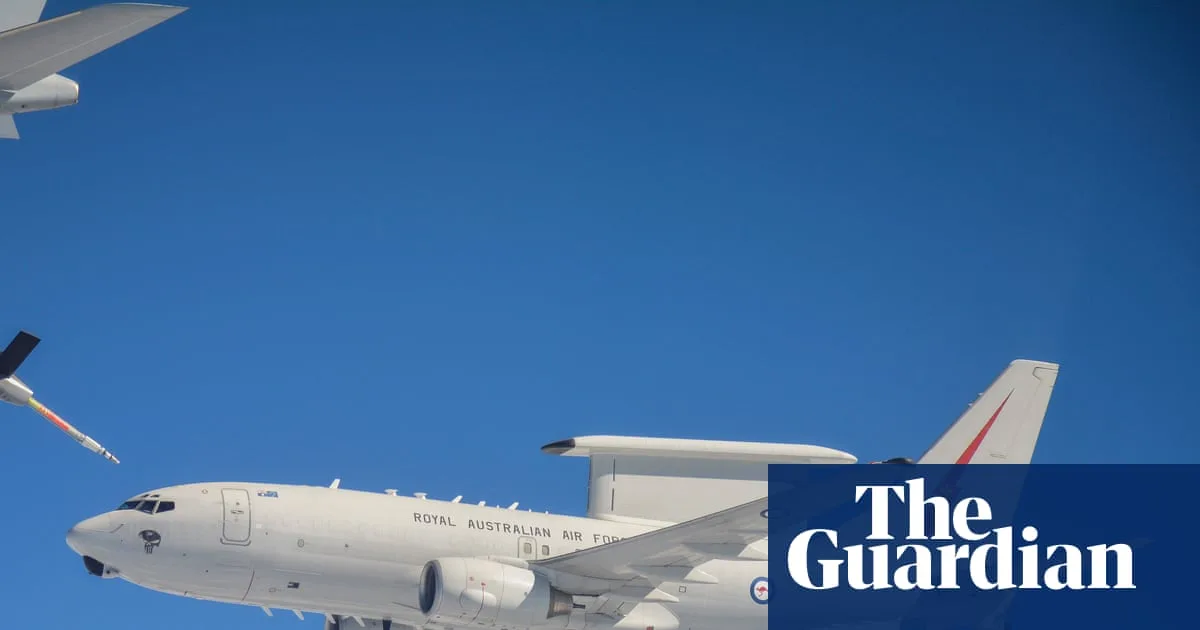
Australian personnel operating the E-7 Wedgetail surveillance aircraft in the Middle East are actively filtering intelligence to ensure it is not shared with the United States for offensive purposes, the chief of Defence has confirmed. Admiral David Johnston stated that the crew takes active steps to contribute only to defensive operations, despite sharing information on drones and other airborne threats.
The federal government extended the deployment of the Wedgetail beyond its initial four-week mission to the United Arab Emirates, Prime Minister Anthony Albanese announced after a meeting of the cabinet's national security committee. The aircraft, operated by approximately 85 defence force members, was deployed in early March as part of Australia's assistance package to the UAE.
Admiral Johnston explained that the aircraft's operators determine what information leaves the platform, applying filters based on radar and electronic systems to ensure only defensive-related intelligence is shared. “That was a really important consideration of the manner by which that aircraft was deployed and the functions it’s performing,” he said at the Russell defence headquarters in Canberra.
The Labor government has faced criticism for supporting the war led by US President Donald Trump and Israeli Prime Minister Benjamin Netanyahu, but insists Australia's role is purely defensive. Johnston described the Wedgetail as “a gem of an aircraft” ahead of the release of the next national defence strategy.
Regarding the strategic Strait of Hormuz, Johnston said the Royal Australian Navy could deploy a ship if the government decided to do so, but questioned whether that aligned with Australia's priorities. He noted that the US has moved significant military capacity into the Gulf region, including from the Indo-Pacific, emphasising the importance of Australia's presence in the Indo-Pacific to maintain regional stability.
Trump criticised Australia for not assisting in reopening the strait, which carries about 20% of global oil supplies. The opposition has previously criticised Labor for not sending a warship during former US President Joe Biden's coordination of defensive operations in the Red Sea. Johnston maintained that decision was based on strategic priorities, not maintenance or capability issues.




