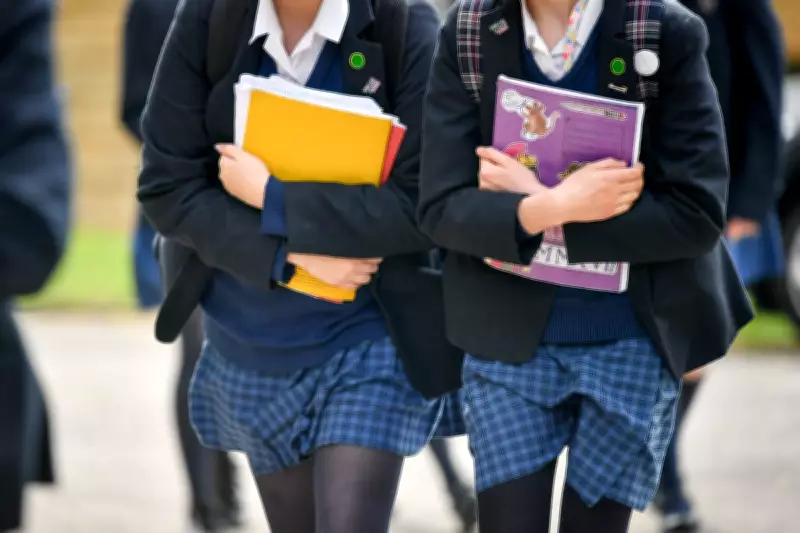
England's private schools have experienced a sharp decline in pupil numbers, reaching their lowest level in at least a decade, according to newly released government figures. This marks the second consecutive year of falling enrollments, driven largely by the government's 20 per cent VAT policy on private school fees implemented in January 2025.
Significant Drop in Independent School Pupils
Data from the Department for Education (DfE) reveals a reduction of more than 22,000 pupils in independent schools this January compared to the same period last year. This represents a 3.8 per cent decrease, with numbers falling from 582,477 in 2025 to 560,255. Private school pupils now account for just 6.3 per cent of the total school population, the smallest share in a decade.
Despite the decline in pupil numbers, the number of independent schools increased by 41 compared to the previous year, suggesting that schools are operating with smaller cohorts.

Overall School Population Trends
The total number of pupils across all schools in England, including both state-funded and private institutions, also continued its downward trajectory, dipping below nine million for the first time since 2020. There were just over 8.9 million students in schools across England in January, representing a decrease of 112,200 compared to the same time last year.
The DfE attributes this overall decline primarily to demographic changes, following a peak in births in 2012. A population bulge has been moving from primary schools into secondary schools, and school populations are expected to continue decreasing until 2030.
Rise in Free School Meal Eligibility
The percentage of pupils eligible for free school meals has risen to 26.5 per cent, up from 25.7 per cent last year, continuing an upward trend that began in 2018. This means more than 2.2 million pupils were eligible for free school meals in January, an increase of 43,100.
The government extended free school meal eligibility last year to include all pupils in England from families on universal credit. Additionally, all primary school children in London already receive free school meals, and Mayor Sir Sadiq Khan has pledged to continue this policy for as long as he remains in office. This may help explain why London has seen the largest regional increase in free school meal eligibility, rising by 1.3 per cent to nearly a third of pupils (29.2 per cent).
Increase in Young Carers
Almost 90,000 pupils were identified as young carers in January, an increase of more than 25,000 in a year. These figures have been rising since data on young carers was first collected in the school census in 2022. A young carer is defined as a child under the age of 18 who provides or intends to provide care for another person. The DfE noted that these children carry immense responsibility in providing care and support at home, but their own needs may remain hidden from wider view.