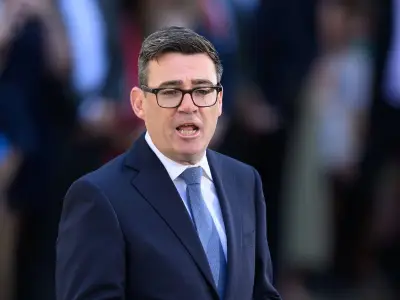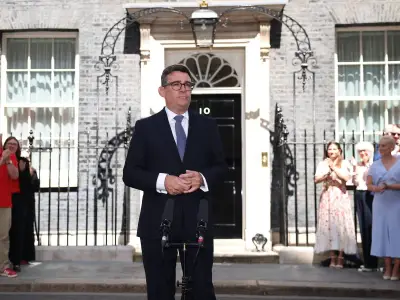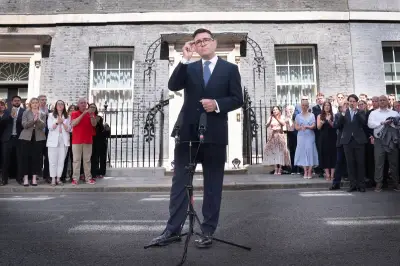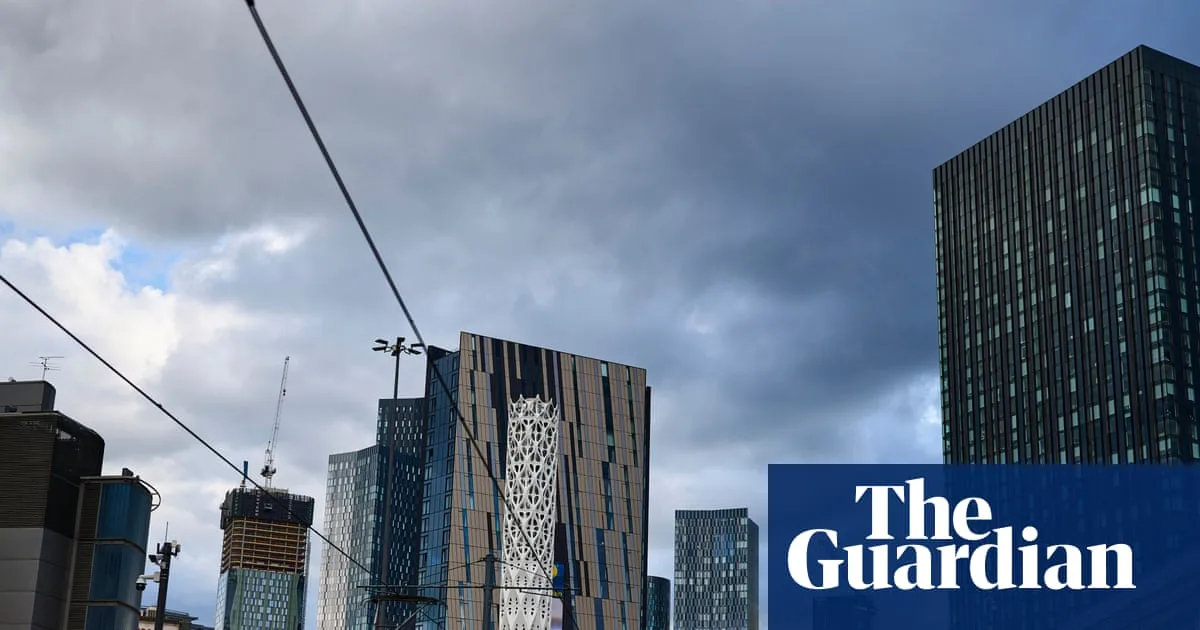
Manchester has recorded the largest fall in inner-city deprivation of any British city, according to a new report from the Centre for Cities thinktank. The findings come as Greater Manchester mayor Andy Burnham, a frontrunner to replace Keir Starmer as Labour leader, highlights the city's economic revival as a model for national policy.
Between 2010 and 2025, the proportion of deprived neighbourhoods within Manchester's inner city fell by 17 percentage points, the biggest drop of the 63 UK towns and cities analysed. The share of inner-city neighbourhoods in Manchester ranking among the most deprived fell from 75.7% in 2010 to 58.4% in 2025.
The report used indices of multiple deprivation for England, Scotland, Wales and Northern Ireland, which measure employment, education, health, crime and other factors. Across all four nations, the share of inner-city neighbourhoods in the top 20% most deprived fell from 38% to 31% over the same period, with London and Liverpool also making significant contributions.

However, deprivation rose in some areas: seven of the ten cities and towns with the largest increases across their entire urban area were in the north and Midlands, including Derby and Sunderland. Andrew Carter, chief executive of the Centre for Cities, said the government should back metro mayors, as big cities with devolved powers have outperformed smaller cities and towns.
Burnham is currently standing in the Makerfield byelection, a constituency on the western fringes of Greater Manchester. He has described his political philosophy as 'Manchesterism', advocating a more interventionist approach to the economy.