

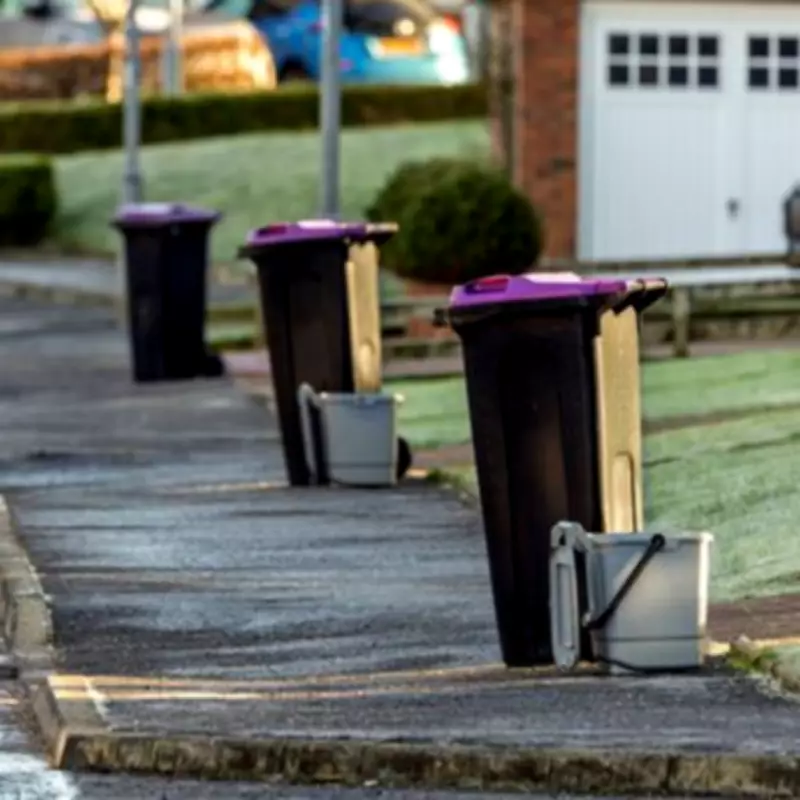
A binman has issued a stark warning to households across the UK, stating that food waste collections may be refused if a single common item is spotted inside the bin. This guidance is crucial for avoiding smelly rubbish and ensuring your waste is taken away promptly.
The Critical Mistake That Halts Collections
According to a TikTok user known as The No1 Binman, cat litter must never be placed in food waste bins. He explained in a recent video that this item can lead binmen to reject your entire food waste collection. "It does not go in your food bin. Do not put it in there," he emphasised, noting that most councils require cat litter to be disposed of in general waste, ideally bagged securely to prevent sanitation issues.
Why Cat Litter Contaminates Food Waste
Cat waste contains pathogens like Toxoplasma gondii, which do not break down in standard composting processes. Even biodegradable litter retains urine and faeces, considered hazardous materials that can contaminate food waste processing. This contamination poses health risks to workers, creates unpleasant odours, and can spoil entire loads of compost, leading binmen to refuse collection to prevent broader environmental and safety issues.

Broader Rules for Bin Collections
This is not the only guidance shared by The No1 Binman. He recently highlighted other mistakes that can prove costly, such as improper disposal of recycling or leaving bins with open lids. Binmen frequently refuse collections for violations of council guidelines, including contaminated recycling, excessively heavy bins, or "side waste" like bags left beside bins.
When bins are rejected, they are often tagged with a sticker explaining the issue. Common reasons include non-recyclable items like food or soft plastics in recycling bins, or incorrect items in food waste bins. The binman stressed that cat litter is a prime example of such an error, urging residents to check local council websites for specific rules, as recycling policies can vary regionally.
Practical Advice for Proper Disposal
To avoid refused collections, The No1 Binman recommends placing cat litter in a bag within your general waste bin, not loose, to prevent it from solidifying at the bottom and making the bin heavier. He also suggested consulting your council about compost bin options if available, but reiterated that cat litter should never be mixed with food waste under any circumstances.
This expert advice underscores the importance of following council guidelines to maintain efficient waste management and avoid the inconvenience of uncollected, smelly rubbish. By adhering to these rules, households can contribute to safer sanitation practices and more effective recycling efforts nationwide.






