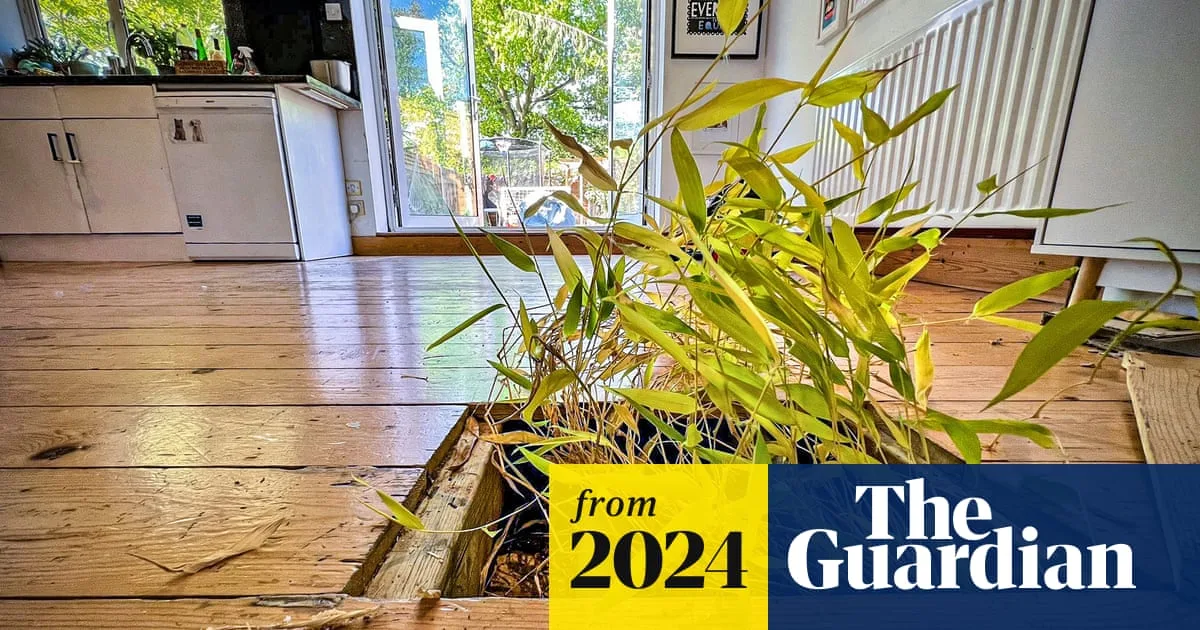
For many middle-class homeowners, bamboo is nature's perfect fencing solution, offering instant privacy without the need for creosote or concrete posts. Its leafy canes sway gently in the breeze, providing an exotic aesthetic that blends seamlessly with existing foliage. For those who have travelled to Japan, where bamboo is revered and considered unlucky to cut, it also serves as a nostalgic reminder of overseas adventures. With upmarket nurseries selling various varieties of this fast-growing Asian evergreen for up to £90 a pot, it is no wonder that bamboo has become a staple in many upscale gardens.
The Hidden Dangers of Bamboo
However, what garden centres often fail to disclose is just how invasive bamboo can be. While it provides excellent screening, one garden's privacy can quickly become another's nightmare. Bamboo requires little light and only water, allowing it to spread at an alarming rate. Known as 'green steel,' it boasts a tensile strength of up to 28,000 pounds per square inch, making it stronger than steel. It can puncture through patios and brickwork in a matter of weeks, and in extreme cases, even push out kitchen appliances.
Legal Risks and Community Protection Notices
Although bamboo is not classified as an invasive species under the Wildlife and Countryside Act 1981, homeowners can still face legal consequences if their plants run amok. In severe cases, this can result in a Community Protection Notice (CPN), effectively an ASBO for plants. Bamboo spreads through underground stems called rhizomes, which can form colonies and create new shoots metres away from the original plant. 'Clumping' bamboo is considered less invasive than 'running' bamboo, but it can still become problematic, often more than a decade after planting.
Expert Insights on Bamboo Encroachment
Thomas Vinojan, co-founder of Bamboo Experts, recalls a case where a family returned from holiday to find their oven had been pushed out of position by bamboo. Another customer, a Japanese man, refused to remove the plant entirely due to its cultural significance as a symbol of good luck. Billy Leaver of Surrey Bamboo Removal has seen a surge in demand over the past two years. He uses root barriers rather than herbicides to manage encroachment, charging up to £1,200 per day. Root barriers are installed at depths of 0.7 to 1 metre, with a curved bottom that redirects the bamboo back towards its origin.
Property Developments and Quick Screening
Leaver notes that large property developments built in the last 20 years are prime sites for bamboo spread. Developers often plant bamboo to make properties look greener quickly, using it as a fast-growing screen. However, this approach can lead to widespread issues as the plant spreads uncontrollably.
Responsible Gardening and Labelling
Guy Barter, Chief Horticulturist at the Royal Horticultural Society, advocates for better labelling of potentially invasive plants at garden centres. He advises gardeners to consult the RHS website or ask staff before purchasing bamboo. While acknowledging that bamboo is not as destructive as Japanese knotweed, he emphasises the importance of taking simple countermeasures to prevent problems. These include planting bamboo in pots or using root barriers to contain its spread.
How to Identify and Manage Invasive Bamboo
To determine if your bamboo is invasive, take a trowel and explore the root ball. Look for horizontal runners longer than 25 cm, which require immediate action. Sever runners a couple of times a year to keep the plant contained. Consider repotting into a strong ceramic pot or installing a proper root barrier. If runners are particularly long, seek professional help.
Despite the risks, bamboo remains a popular choice for gardeners who appreciate its low maintenance, disease resistance, and aesthetic appeal. With proper care and containment, it can be a beautiful addition to any garden without causing havoc.