
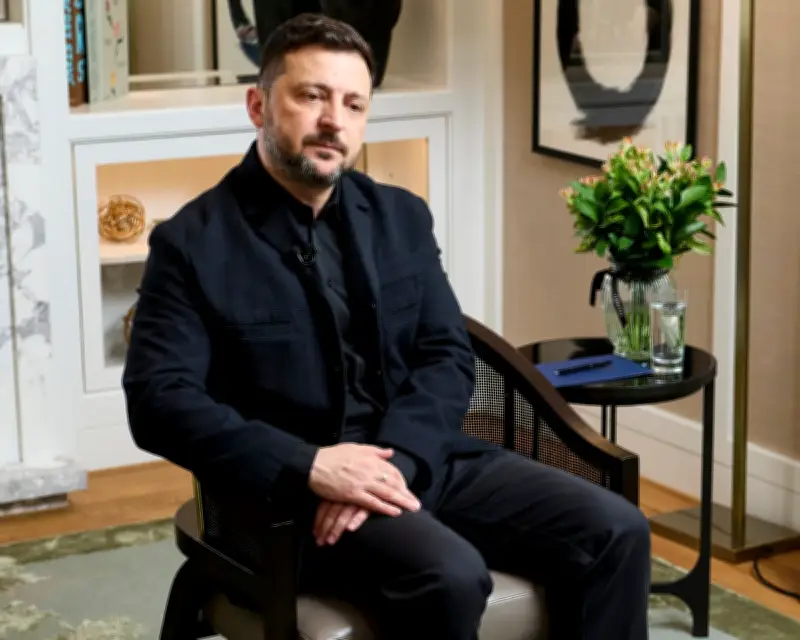
Ukrainian President Volodymyr Zelenskyy met with former US President Donald Trump in New York on Tuesday, as the Republican frontrunner signaled a potential shift in American policy toward the war in Ukraine. The meeting, which lasted over an hour, comes amid growing uncertainty about continued US military aid and the possibility of peace talks with Russia.
Trump's Changing Stance
Trump, who has previously praised Vladimir Putin and criticized US aid to Ukraine, told reporters after the meeting that he would 'look into' ending the war quickly. He did not provide specifics but suggested that both Ukraine and Russia would need to make concessions. The meeting marks a significant departure from the Biden administration's policy of supporting Ukraine as long as necessary.
Putin's Response
Meanwhile, Russian President Vladimir Putin stated that Moscow is open to negotiations but reiterated his demands for Ukraine to recognize Crimea as Russian and to drop its NATO aspirations. Putin's comments came during a meeting with African leaders who are mediating the conflict. He also warned that any peace plan must address Russia's security concerns.
Zelenskyy's Position
Zelenskyy has insisted that any peace deal must include the withdrawal of Russian troops from all occupied territories, including Crimea. He also stressed the importance of security guarantees for Ukraine. The Ukrainian leader is scheduled to meet with President Joe Biden later this week to discuss continued support.
International Reactions
European leaders have expressed concern about Trump's potential return to the White House and its impact on transatlantic unity. NATO Secretary General Jens Stoltenberg urged allies to stay the course, warning that a premature peace could embolden Russia. China, meanwhile, has called for a ceasefire and negotiations, positioning itself as a neutral mediator.
The diplomatic flurry comes as the war enters its second year, with both sides suffering heavy casualties. Analysts say that any breakthrough remains unlikely in the short term, but the renewed engagement suggests a possible shift in the conflict's trajectory.




