The County Councils Network has expressed concern that the updated National Planning Policy Framework (NPPF) could have a detrimental effect on rural areas, weakening the voice of local communities and shifting the balance of power towards developers.
Concerns over rural impact
CCN housing and planning spokesman Andrew Husband said: "We are concerned that these 'one size fits all' policies will have a detrimental impact on rural areas."
"Our members believe that the updated National Planning Policy Framework will weaken theirs and their local communities' voices and shift the balance of power towards developers, increasing the risk of unsustainable development in locations that lack the necessary infrastructure and services."
He noted that the Government had indicated protections would be given to local areas in some instances, but it was not clear how this would work in practice. He added that in many instances, national policy will override local plans and leave councils "unable to refuse development in locations that are not connected to existing settlements, resulting in homes being built in a piecemeal and unplanned way across the countryside".
Default approval near stations
Measures to streamline housebuilding in England were published on Monday, with default approval for homes built in "reasonable walking distance of well-connected stations". While the presumption of yes to development near railway stations would suit urban areas, Husband said it could "permanently and dramatically change the character of a village".
He added: "The disproportionally high housing targets in county areas and lack of checks for developers will only encourage more development, with local people unable to have a meaningful say."
Government defends approach
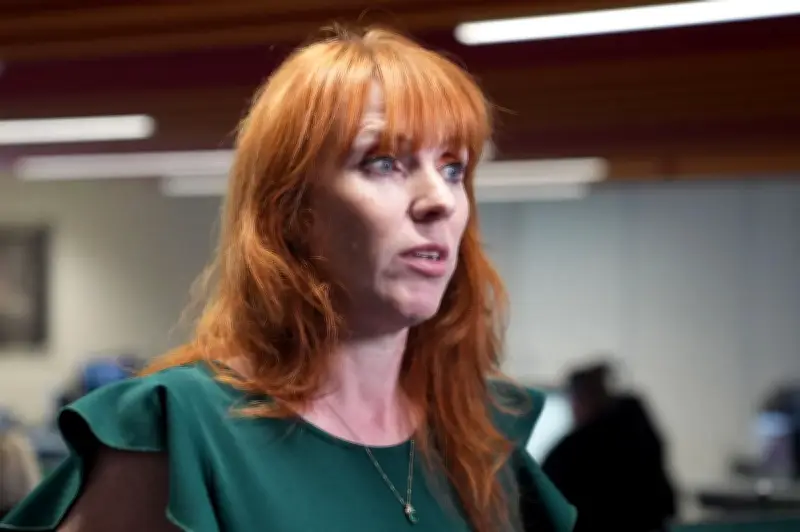
Housing Secretary Angela Rayner rejected a suggestion that the shift to a "default yes" would give people already living in those areas less of a say. She said: "No, what we're saying – and when I was secretary of state previously, I introduced the consultation around this – is that actually all areas should have mandatory local plans."
"That means that they have to plan in advance for where housing and infrastructure should be in their local area. We do need the homes and we do need the infrastructure, but we want to do it in a planned way with local authorities and local people having a say in it."
She also emphasised the importance of brownfield first and strong rules to protect the green belt, and said the country "cannot carry on" building houses and vital links separately.
The Government is just over a quarter of the way to its target to build 1.5 million homes in England in five years. Asked during a visit to the West Midlands if she was confident of meeting the target, Rayner said: "I don't like failure. I'm very clear that we need these homes. We have already seen nearly 400,000 since we came into office, new homes that have completed. We've seen a 15% increase in start-ups for housing starts."
Earlier on Monday, Housing Minister Matthew Pennycook said building new homes is "extremely challenging" in large part because of the conflict between Washington and Tehran, as he was pressed on whether he was confident the Government would meet its manifesto housebuilding commitment. The conflict in the Middle East had seen "dampening demand" from buyers while developers had seen materials costs go up, he told broadcasters.