
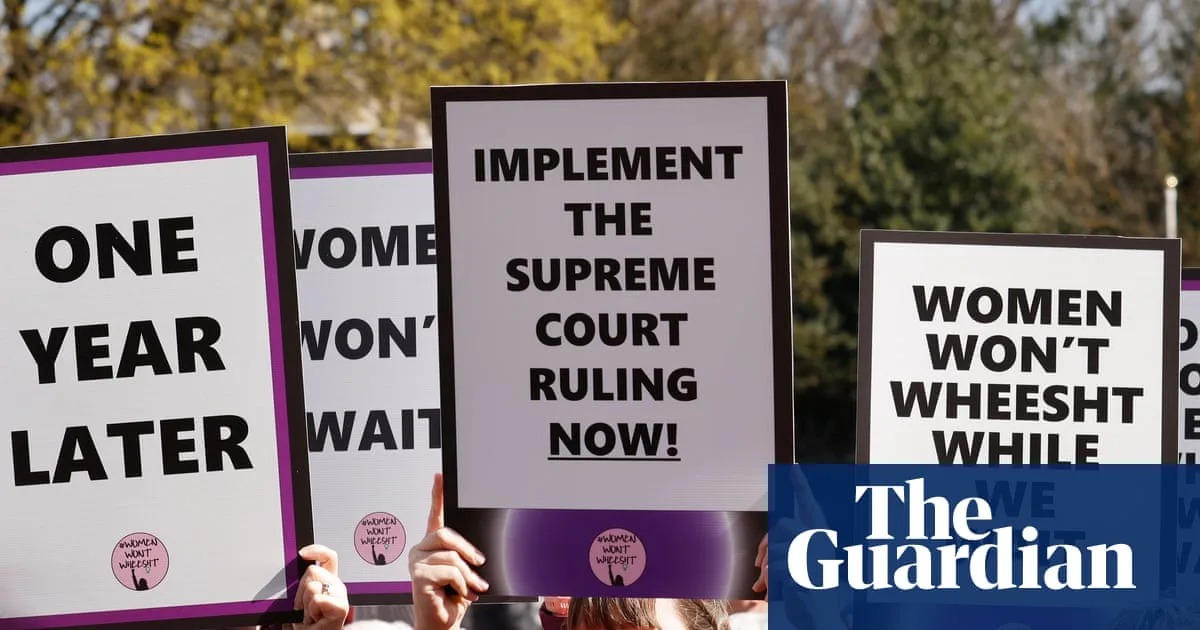
Businesses and service providers across England, Wales and Scotland must exclude transgender people from single-sex toilets and changing rooms, according to a new code of practice from the Equality and Human Rights Commission (EHRC). The guidance follows the Supreme Court's landmark ruling in April 2025 that sex under the Equality Act refers only to biological sex.
The code, which also covers changing rooms, requires that single-sex facilities be reserved for biological males or females. However, it advises that practical alternatives such as gender-neutral toilets should be offered for those who do not wish to use services aligned with their biological sex. The EHRC chair, Mary-Ann Stephenson, said the Supreme Court was clear that separate toilets for women and men must be based on biological sex.
Gender-critical campaigners welcomed the guidance as a victory for women's rights. For Women Scotland, which brought the original case, co-founder Susan Smith said it was a significant milestone that should end delays in implementing the ruling. However, trans advocacy groups expressed concern, with the Trans+ Solidarity Alliance director Alexandra Parmar-Yee calling it a 'section 28 moment' that risks pushing trans people out of public life.
The guidance acknowledges that the impact on transgender people is likely negative, but highlights mitigating factors such as the ability to create third-space provision. In healthcare, trans patients must be accommodated on single-sex wards according to their biological sex, though it would not be proportionate to exclude a trans man from obstetrics and gynaecology outpatient services based on other patients' objections.
If a service provider admits a trans person to a service aligning with their lived gender, that service can no longer be described as single sex, and the provider is very likely to face legal challenge. Stephenson called for a wider conversation on how to make services work for everyone, including women escaping violence and those with different needs.




