UK and EU Finalise Landmark Gibraltar Border Deal Post-Brexit
UK-EU Strike Gibraltar Border Deal, End Routine Passport Checks

UK and EU Finalise Landmark Gibraltar Border Deal Post-Brexit

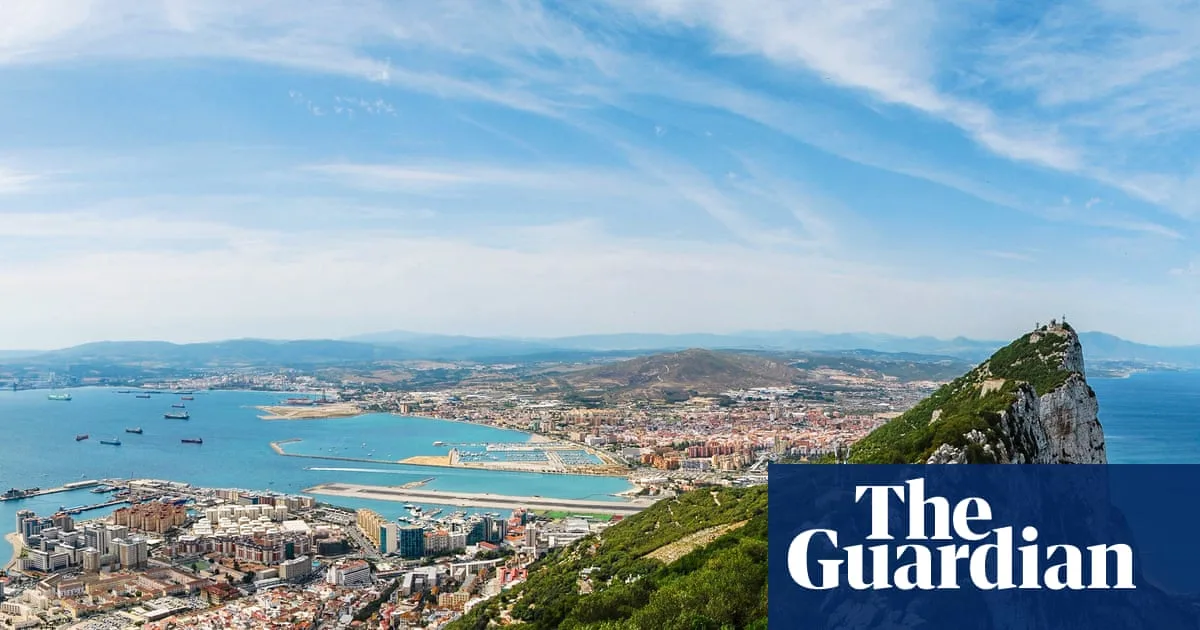
The United Kingdom, in partnership with the Government of Gibraltar, has reached a landmark draft treaty with the European Union, fundamentally reshaping the post-Brexit status of the contested territory. The agreement, unveiled on Thursday 26 February 2026, establishes a new framework for the Spain-Gibraltar frontier, promising a "fluid border" for both people and goods while explicitly safeguarding British sovereignty over the Rock.

A Fluid Frontier for Daily Commuters

The most immediate and significant change will be the elimination of routine passport checks at the land border crossing between Spain and Gibraltar. This provision is set to benefit the estimated 15,000 individuals who traverse this frontier every single day, streamlining their daily commutes and interactions. The UK Government has stated the deal will "eliminate burdensome goods checks" through a tailored customs model, further facilitating cross-border trade and movement.

Sovereignty and Security Preserved

Despite the sweeping changes to border management, the draft treaty contains robust protections for Gibraltar's political status. It explicitly states that nothing within the agreement "shall constitute the basis for any assertion or denial of sovereignty" over the territory. Furthermore, it protects the autonomy of key UK military facilities, including the Gibraltar airport, which is run by the Ministry of Defence and hosts an RAF base, alongside an important naval facility.

Complexities for Air Travel and Parliamentary Scrutiny

While the land border sees simplification, air travel introduces a more complex protocol. Travellers flying into Gibraltar directly from the UK will be subject to dual border controls, undergoing checks by both Gibraltarian officials and Spanish authorities acting on behalf of the EU. The treaty's publication in draft form has also ignited political debate in Westminster. Shadow Foreign Office minister Wendy Morton has criticised the government for presenting Parliament with a "treaty of over a thousand pages" containing "profound constitutional changes" without allowing MPs to examine the text line by line before any provisions take effect.

Leadership Reactions and Historical Context

Gibraltar's Chief Minister, Fabian Picardo, hailed the agreement as a "safe and secure" deal that "unequivocally protects our position on sovereignty, safeguards our economy and delivers the certainty our people and businesses need." He emphasised it protects the "British way of life" while unlocking new economic opportunities. Foreign Office minister Stephen Doughty echoed this, stating the treaty "ensures that Gibraltar’s economy, people, and future are protected as an integral part of the British family."

This breakthrough concludes years of negotiations that began after Britain's formal departure from the EU in 2020. Gibraltar was ceded to Britain by Spain in 1713 under the Treaty of Utrecht, and its population has consistently affirmed its British identity. In a 2002 referendum on shared sovereignty with Spain, an overwhelming 99% of Gibraltarians rejected the proposal. The new draft treaty now awaits formal signing, ratification, and implementation by all parties involved.




