Starmer's EU Alignment Strategy: The Cost of Closer Ties and 'Henry VIII Powers'
Starmer's EU Alignment: Cost and 'Henry VIII Powers'

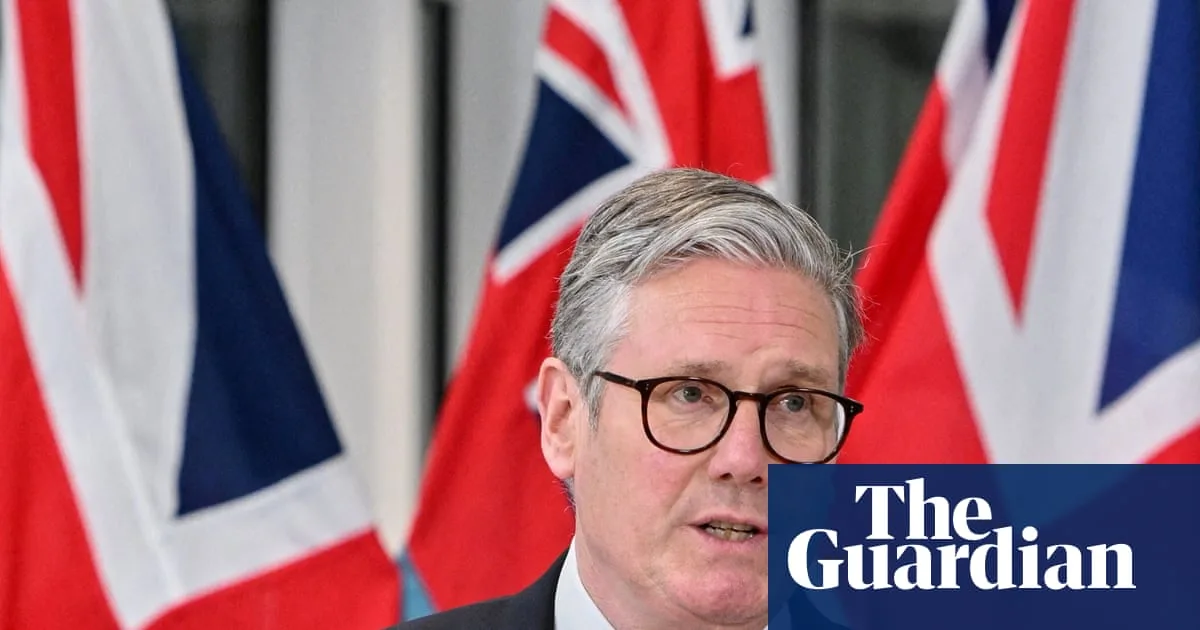
Keir Starmer's strategy to reset the UK's relationship with the European Union is now taking concrete shape, nearly a decade after the Brexit referendum. The Prime Minister has publicly stated that forging closer ties with Europe aligns with the UK's best interests, marking a significant shift in post-Brexit policy.

Negotiating Key Agreements to Ease Trade Friction

Current negotiations are focused on critical trade and standards agreements, particularly in areas like sanitary and phytosanitary (SPS) standards. These rules govern food safety, animal health, and plant health, which became major points of contention after Brexit, leading to increased border checks and bureaucratic hurdles for British businesses.

Starmer argues that deals on food standards, alongside energy and carbon emissions, are essential to reduce friction at UK-EU borders and with Northern Ireland. The goal is to alleviate the substantial burden on businesses and help lower the cost of living for consumers across the nation.

Wide Pickt banner — collaborative shopping lists app for Telegram, phone mockup with grocery list

The Price of Closer Alignment with the EU

However, this move towards alignment with the UK's largest trading partner comes with significant costs. The government acknowledges that to secure these agreements, the UK must not only adopt EU rules established during the Brexit period—such as regulations on marmalade naming—but also keep pace with new EU legislation as it emerges.

This dynamic alignment means the UK would become a rule-taker rather than a rule-maker, placing it in a similar position to non-EU members like Norway and Switzerland. While these countries have a "decision-shaping" role that involves consultation on draft measures, they lack formal voting power in negotiations, raising concerns about sovereignty.

Addressing Criticisms of Brexit Betrayal

Opponents are likely to decry this as a "Brexit betrayal," given Starmer's push for a substantially closer relationship with the EU. Yet, this approach was a clear manifesto commitment, and the agreements under negotiation fall well short of rejoining the single market or customs union—red lines that Starmer has firmly maintained.

Legal and Democratic Challenges Ahead

A further legal issue involves implementing EU SPS and other rules within the UK system. The government is expected to use the upcoming King's Speech to introduce legislation granting powers to enact these rules via statutory instruments (SIs), which are secondary laws that receive less parliamentary scrutiny.

Using SIs allows for quicker passage of technical regulations, with around 3,500 already approved annually. However, critics, including some tabloid newspapers, label these as "Henry VIII powers," arguing they enable ministers to approve laws without full democratic oversight.

All governments have utilized such powers, especially during the Brexit years when the Conservative administration passed hundreds of SIs to manage the transition. While claims of democratic threats may be exaggerated, the process remains contentious.

Navigating Devolved Competences

Another challenge is that much SPS legislation affects devolved areas, requiring Westminster to involve administrations in Scotland, Wales, and Northern Ireland early and thoroughly. Ensuring their participation is crucial for the UK to meet its commitments and maintain internal cohesion.

If Starmer succeeds in negotiating agreements on SPS, energy, carbon emissions, and a youth experience scheme—and secures the necessary parliamentary approval—he will fulfill key promises. This could pave the way for exploring further alignment in sectors like chemicals and pharmaceuticals, deepening the UK-EU relationship step by step.

Professor Catherine Barnard, an expert in EU law at Trinity College and deputy director of the UK in a Changing Europe think-tank, highlights that closer alignment is not equivalent to single market membership but represents a pragmatic approach to post-Brexit trade realities.

Pickt after-article banner — collaborative shopping lists app with family illustration




