
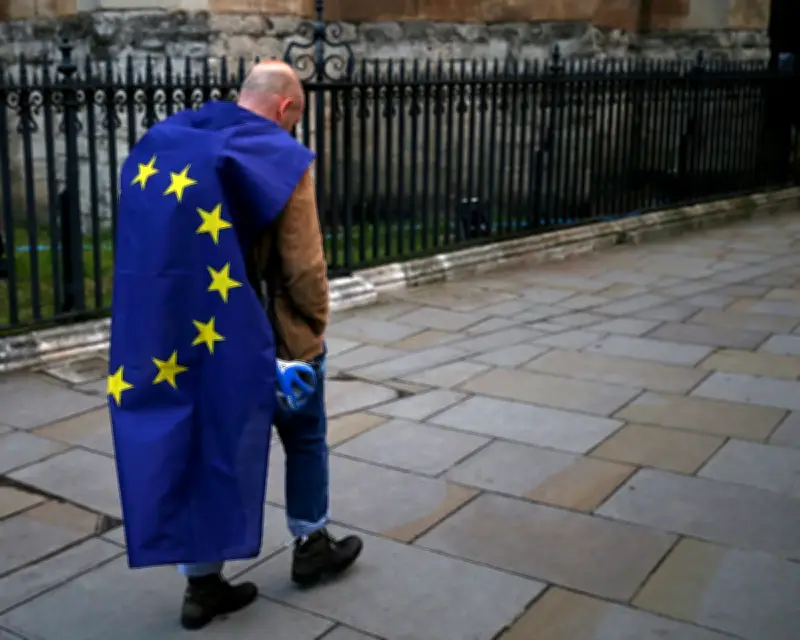
When novelist Elif Shafak first moved to England nearly two decades ago, she attended a heated debate on British identity where speakers with opposing views shook hands and went for a pint afterwards. That spirit of civil disagreement, she writes, has been shattered in the decade since the Brexit referendum.
The Shift from Opponents to Enemies
Shafak, now a British national, describes how political opponents are increasingly regarded as enemies. On her way back from the Hay festival this month, a local man told her they were in a time of war—not referring to Ukraine or Iran, but to Westminster as a battleground. He called anyone who voted Labour, Green or Conservative “traitors”.
This incendiary rhetoric correlates with a rise in political and social violence, Shafak warns. She cites George Orwell’s essay Politics and the English Language, which argued that degradation in speech goes hand in hand with decay in critical thinking and loss of shared reality.
Dehumanisation Through Language
In 2018, an art project in Liverpool dedicated to more than 34,000 dead migrants and refugees was repeatedly vandalised and sprayed with the words “Invaders not refugees.” When refugees are called invaders and political opponents become enemies, Shafak argues, it becomes easier to dehumanise the other.
A 2023 study by researchers from the University of Michigan, Columbia University and Stony Brook University found that sweeping generic statements about whole categories of people exacerbate existing divisions, eroding coexistence and social cohesion.
Brexit’s Faultlines
Brexit revealed and reinforced faultlines between political fractions, generations and locations, Shafak writes. A study by King’s College in 2025 found that perceptions of division in the UK have reached their highest point, with 84% of the public now saying the country feels divided.
At almost every talk she gives at literary festivals, someone tells her how Brexit broke their family relations and friendships. Over dinner tables, people either avoid politics or fall into enraged silence. Relatives have stopped talking to relatives.
The Need for a New Language
Constant political tension and extreme polarisation serve undemocratic tendencies and demagogues, Shafak warns. When political tribes become epistemological tribes and people get information from alternative sources, abandoning shared truth, there is no reason to listen to each other.
She calls for a new, calmer language that connects, heals and treats everyone with dignity—not hierarchy or duality. This language could come from the arts, which offer quiet thinkers and bridge builders, and untapped potential for empathy. In times of crisis, supporting cultural centres, youth centres, literary festivals and libraries is vital.
Today, multiple polls indicate that a majority of Britons believe Brexit has either failed to deliver its promises or was a mistake. But there is little appetite to reopen the subject. Shafak concludes: “Much has been broken, but can also be mended.”




