Gibraltar's British Status Secured in Landmark Post-Brexit EU Treaty
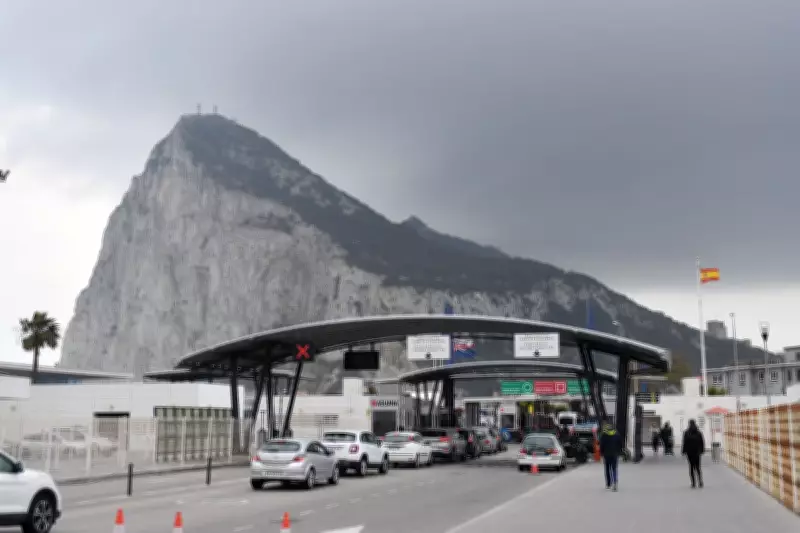
A draft treaty published on Thursday establishes that Gibraltar will remain British while enabling free movement across the land border with Spain, marking a significant post-Brexit agreement on the territory. The UK, in collaboration with the Government of Gibraltar, has released this treaty with the EU, which outlines arrangements for a "fluid border" for both people and goods, addressing long-standing issues since Britain's departure from the European Union.
Border Arrangements and Daily Impact
The agreement will eliminate routine passport checks at the Spain-Gibraltar border for the approximately 15,000 people who cross it daily, representing around half of Gibraltar's workforce. This change aims to reduce the lengthy queues that have plagued commuters, businesses, and visitors, providing much-needed certainty for economic planning and investment. However, checks will still apply to arrivals by air, meaning those flying into Gibraltar from the UK will face dual border controls: one from Gibraltarian officials and another by Spanish authorities on behalf of the EU, akin to French police operations at St Pancras Station in London.
Customs and Economic Provisions
A bespoke customs model has been introduced to "eliminate burdensome goods checks" at the land border, as stated by the UK Government. Gibraltar will align its import duty rates on goods with EU rates, allowing individuals to cross the border with everyday items, such as shopping, without declarations or additional charges. Notably, the Rock will continue to have no VAT or any other sales tax, preserving its unique economic framework. The draft treaty explicitly does not affect sovereignty, asserting that nothing signed "shall constitute the basis for any assertion or denial of sovereignty" over Gibraltar, while also protecting UK autonomy over key military facilities, including the RAF base and naval facility.

Political Reactions and Support
Foreign Office minister Stephen Doughty emphasized that this treaty safeguards Gibraltar's economy, people, and future as an integral part of the British family. He highlighted that the agreement was negotiated with the full consent of the Government of Gibraltar and ensures that immigration, policing, and justice remain under Gibraltar's own authorities, clarifying that Gibraltar is not joining the Schengen Area. The Governor of Gibraltar, Sir Ben Bathurst, observed from the gallery as Doughty addressed MPs, underscoring the treaty's broad support. Chief minister Fabian Picardo praised the deal as safe and secure, protecting sovereignty while unlocking growth opportunities for Gibraltar-based individuals and businesses.
Concerns and Scrutiny
Despite the positive reception, shadow Foreign Office minister Wendy Morton raised concerns about sovereignty in practice, particularly regarding dynamic alignment, where Gibraltar would automatically update its laws to match EU regulations in certain areas. She questioned how Gibraltar and the UK will avoid becoming subject to ongoing EU rule-taking without meaningful political control, citing potential issues with border operations, Spanish authorities at the airport, customs arrangements, and European Court of Justice interpretation. Doughty responded by welcoming parliamentary scrutiny and asserting that alignment decisions rest with Gibraltar, criticizing what he called ideological approaches from the Conservatives.
Historical Context and Future Steps
Gibraltar was ceded to the UK by Spain under the Treaty of Utrecht in 1713, with the population strongly favouring remaining a British overseas territory; in a 2002 vote, nearly 99% rejected sharing sovereignty with Spain. Talks on border rules have been ongoing since Britain left the EU in 2020. The treaty, published in draft form, still requires signing, ratification, and implementation, with plans for signing in March. This agreement represents a pragmatic resolution to post-Brexit challenges, balancing fluid border access with unwavering British sovereignty over Gibraltar.