
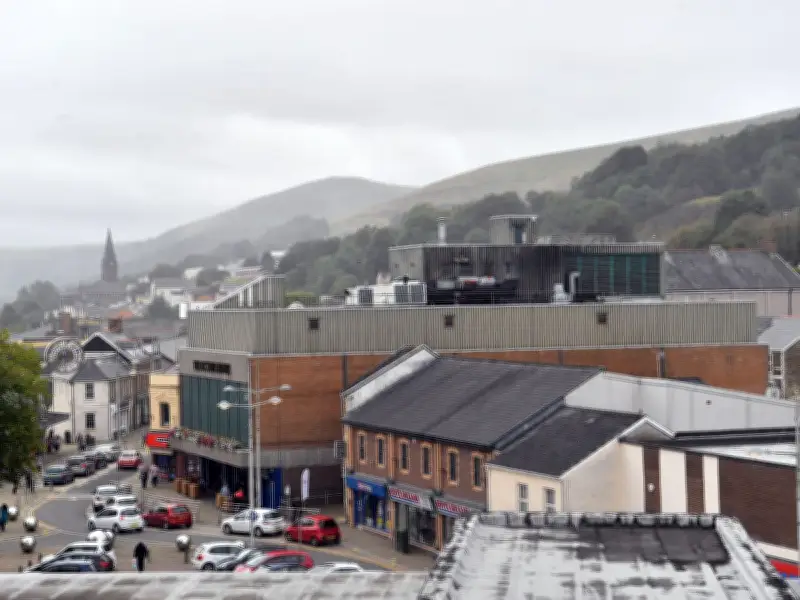
Ten years after the 2016 EU referendum, the Welsh town of Ebbw Vale in Blaenau Gwent remains deeply divided over whether leaving the European Union delivered the promised benefits. Once a powerhouse of Wales' steel industry, the town has undergone significant transformation following the closure of its steelworks, partly funded by EU regeneration money. However, many residents feel the economic uplift has not materialised as hoped.
EU Funding and Regeneration Efforts
In the years before Brexit, Ebbw Vale received substantial EU investment aimed at revitalising the area, including infrastructure projects, new facilities, and efforts to attract businesses. These funds helped deliver developments such as the Ebbw Vale Leisure Centre, which was built with EU money. Yet, despite visible changes, local opinion remains split on whether the town has truly benefited.
Some residents acknowledge that investment has occurred but argue it hasn't translated into well-paid, sustainable jobs or long-term economic growth. The town continues to face challenges typical of post-industrial communities: limited employment opportunities, lower wages compared to other UK regions, and strain on public services.
Brexit Promises vs Reality
Supporters of Brexit point to external factors like the Covid-19 pandemic and global economic pressures as reasons for unmet expectations. Others criticise trade disruptions and reduced access to EU markets as ongoing hurdles for local businesses. Commentator Pembsscarlet said: “Let down! I think it was blindingly obvious that we shot ourselves in the foot. People were hoodwinked by Farage and Johnson, and they still are today. We all lost.”
Another reader, help@hand, countered: “It was impossible for Brexit to work because the people in charge didn’t want it to work and put every obstacle they could find in its way.” Glynt67 added: “The economy is now 6-8% smaller and there is no money for defence, NHS etc. The one good thing about ‘taking back control’ though is that we’ve got no one else to blame.”
Voices from the Community
Griff3 recalled: “I vividly remember two ladies being interviewed in the new Ebbw Vale Leisure Centre the morning after the vote. They’d voted leave because the EU hadn’t done anything for them. The ironic thing was they were standing in front of a sign saying the Centre was built with money from the EU.” Airmarshall argued: “The vast majority of people who voted to leave did not understand what they were voting for and the implications... I would also imagine that the effect on many who voted leave is also that they are poorer.”
Walgoch listed grievances: “River pollution, sea pollution, higher food prices, not being able to live in EU countries for more than 12 weeks a year, my children can’t study in Europe, airport queues, increased harm to the environment due to increasing reliance on poor trade deals.”
Contrasting Perspectives
Others defended Brexit. Jacijoxx stated: “The UK should be setting and maintaining our own standards. Britain once set standards that most of the civilised world yearned to achieve.” Offgridinwales argued: “Failing towns are not Brexit's fault. People have switched to buying online... Towns need to diversify and move away from retail. How did Brexit cause any of the above?”
JonesSwansea added: “Blaming everything on Brexit is a bit simplistic. It completely ignores the chaos and economic damage caused by Covid... The UK has actually seen strong growth in sectors like financial services and creative industries, with service exports growing significantly over the last decade. For Wales, though, the bigger issue is arguably the opportunities that have been missed closer to home, like the M4 relief road, support for farming, and making the most of offshore energy potential.”
Wider Implications
WelshOzi reflected: “We're Welsh, and it often feels like Wales gets forgotten. Wales received millions in EU funding for roads, regeneration and local communities. So what exactly was supposed to replace that? A lot of people voted over immigration concerns, but looking back, was it really worth losing the funding and adding more barriers to trade?”
As the 10-year anniversary approaches, Ebbw Vale remains a microcosm of the national debate, with opinions ranging from regret to cautious optimism. The town's experience underscores the complexity of assessing Brexit's impact, intertwined with long-standing structural issues, the pandemic, and global economic shifts.




