Around 60,000 migrants from Morocco flooded into the Spanish enclave of Ceuta on Thursday, triggering days of unrest and clashes with police. The influx overwhelmed the small city, which shares a land border with Morocco and sits on the northern coast of North Africa.
Violent clashes and chaotic scenes
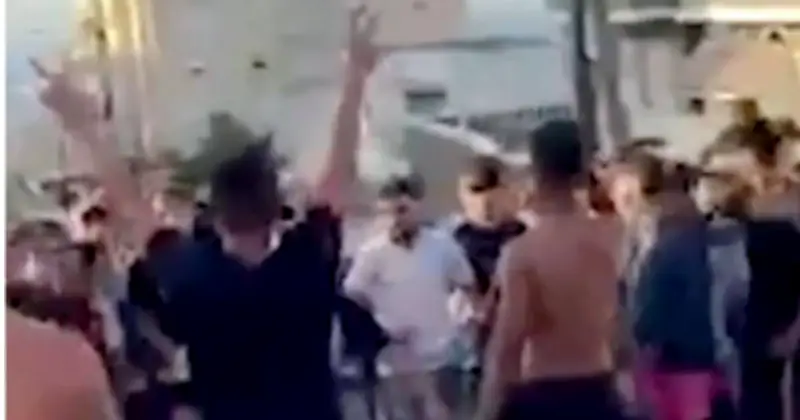
Footage from Sunday captured a group of migrants carrying an injured man wrapped in a blanket, whom they claimed had been attacked by police, while chanting "Allahu Akbar." Scuffles quickly ensued, with video showing Spanish National Police officers armed with batons charging towards migrants during the demonstration.
In Ceuta, a crowd of illegal Moroccan migrants was seen establishing its own rules in the city, shouting at National Guard officers and dragging a wounded migrant through the streets in protest against being returned home. Deeply troubling footage captured vast crowds of people sprinting up beaches, swimming to shore, and scattering through the streets of Ceuta. Some migrants could be heard crying out, "Long live Spain."

Allegations of Moroccan encouragement
Those arriving in Ceuta alleged that Moroccan police officers had actively encouraged them as they made their way to the city. Mohammed Ahmidho, 37, who learned of the surge of migrants into Spain via social media, said he heard officers calling out "Come to Spain," as he approached the border.
Some analysts have suggested Morocco may have permitted migrants to cross the border as a means of applying diplomatic pressure on Spain, which has recently strengthened its relations with Rabat's arch-rival, neighbouring Algeria. Some Moroccans also claimed they were directed by viral social media posts that exposed a loophole in Spanish immigration policy.
Political and international response
This follows Spain's Supreme Court ruling that migrants intercepted at sea while attempting to reach Melilla or Ceuta, both Spanish enclaves, could not be immediately returned to Morocco. The unrest in Ceuta spread to Spain's second North African enclave of Melilla on Friday, with vehicles set ablaze and migrants forcing entry into buildings.
The European Union announced it would convene a video call on Tuesday after 22 member states issued a joint open letter demanding an emergency meeting. The Italian government revealed it was weighing up "extraordinary measures," including the closure of its open border.
"The images coming from Ceuta are striking and demonstrate, once again, that uncontrolled illegal immigration poses a concrete threat to the security of Europe's borders," declared Prime Minister Giorgia Meloni.
France announced it would strengthen its borders with Spain, with the interior minister issuing "instructions to immediately step up controls" at their shared border crossings. Far-right, anti-immigration Spanish politicians and right-wing influencers descended on the city, igniting counter-protests that drew in members of the city's sizeable Muslim community. Alvise Pérez, a right-wing Spanish politician and Member of the European Parliament, demanded the migrants be removed. Pérez was subsequently forced to take refuge in a bar until police escorted him to safety.