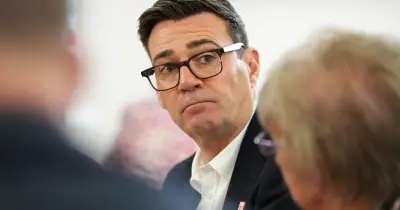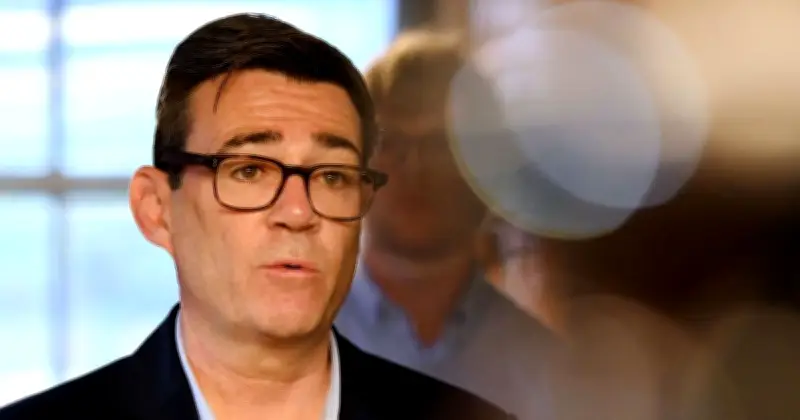
The Prime Minister has told MPs he will push for a sweep of new post-Brexit deals with the EU at a summit next month, prompting accusations from the Conservative leader that he is quietly unpicking the Brexit agreement signed a decade ago.
Proposed agreements and economic claims
The proposed agreements span youth mobility, food and drink, energy trading and border security. Mr Burnham claimed a deal reducing border red tape could inject up to £10billion a year into the economy by 2040 and ease supermarket price pressures. He pointed to severe delays for British produce, noting that Scottish salmon exports face a 100% document-check rate that costs £100million annually.
However, Conservative Leader Kemi Badenoch accused the Prime Minister of giving away Britain’s negotiating hand and undermining the Brexit deal signed a decade ago. "His exact words earlier this year were, 'the last thing we should do right now is re-run those arguments' and yet here he is unpicking the deal this country signed with the EU a decade after the referendum," she warned.
Political reactions and red lines
While Mr Burnham asserted that manifesto commitments against rejoining the Single Market, the Customs Union, or restoring Freedom of Movement remain intact until the next election, he refused to rule out a future manifesto that would open the door to rejoining the EU. Liberal Democrat leader Sir Ed Davey urged No 10 to go even further by dropping those red lines entirely.
Meanwhile, former trade minister Nigel Huddleston cautioned that existing post-Brexit trade deals with over 70 non-EU nations could complicate any attempt to realign with Brussels.
Concerns over industrial plan and border friction
Beyond agricultural red tape, No 10 is becoming increasingly concerned about Brussels' proposed "Made In Europe" industrial plan. Designed primarily to shield European factories from cheap Chinese competition, the EU legislation poses collateral damage to British manufacturing and tightly bound cross-Channel supply chains.
Mr Burnham warned MPs that without an exemption or tailored arrangement, British exporters could find themselves locked out of vital European procurement and manufacturing networks. Negotiating a workaround forms a key pillar of his strategy ahead of next month’s summit, though Brussels negotiators have signalled they will resist giving non-member states easy concessions.
Foundations of the current clash
The current clash builds on foundations laid by previous post-Brexit resets. Following the original 2020 Brexit withdrawal agreement - which settled the "divorce bill" and allowed regulatory divergence - food exporters faced heavy border friction in their largest export market.
A breakthrough in May 2025 saw the UK grant EU fishing vessels continued access to British waters until 2038 in exchange for reduced agricultural border checks. That compromise paved the way for raw British burgers and sausages to return to EU shelves for the first time since Brexit. Mr Burnham now seeks to build directly on that framework to extend similar red-tape relief across energy markets, security data-sharing and broader trade logistics.