

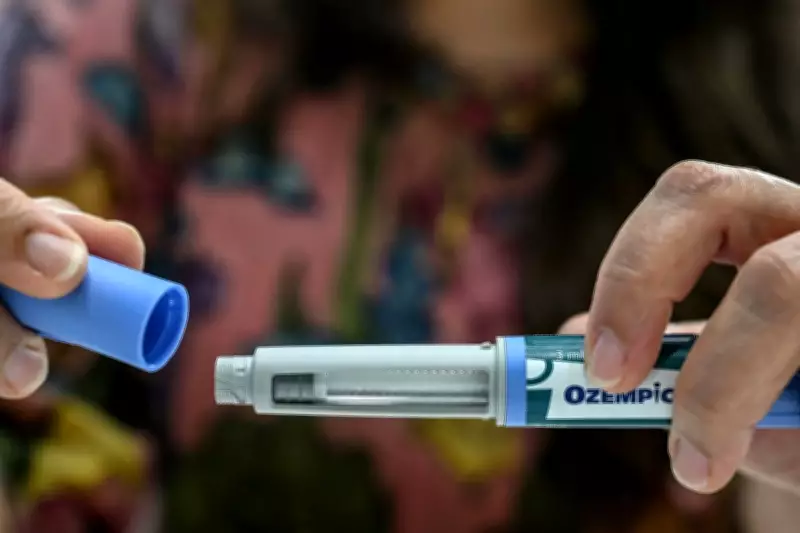
Scientists are exploring how GLP-1 drugs like Ozempic may not only be a metabolism breakthrough but could also reshape some patients' brains, according to new research from the University of Colorado Anschutz.
Brain Connectivity Boost
Researchers found that GLP-1 drugs increased brain connectivity in some patients, potentially rewiring brains beyond quieting appetites. The study, reported by the Washington Post, examined young women taking GLP-1 medications for PCOS, now renamed polyendocrine metabolic ovarian syndrome (PMOS). Within months, patients' brain connections in the salience network—which helps target attention—had multiplied.
"We didn't expect to see this effect, and we really don't know what it means," said Allison Shapiro, the lead researcher. Brain scans suggested the condition may involve dysfunction in the hypothalamus, which regulates hunger, stress, sleep, and hormones, and contains a high concentration of GLP-1.

Potential Benefits Beyond Weight Loss
Some patients reported positive impacts beyond reduced hunger, including less desire to drink alcohol, reduced compulsive behavior, and improved attention spans. Early studies are exploring GLP-1s as possible treatments for addiction. Previous research suggested the drugs may slow volume loss in brain regions responsible for planning, memory, emotion, and sensory integration.
Scientists are also investigating whether GLP-1s could delay or prevent Alzheimer's disease. However, a large late-phase clinical trial for Alzheimer's failed to show significant slowing of cognitive and functional decline. Similarly, a recent trial for Parkinson's showed no overall impact.
Mechanisms and Concerns
Researchers believe GLP-1s may act directly on the brain, reducing inflammation, improving metabolism, and easing stress. However, some users report brain fog, reduced pleasure, and lower motivation. Scientists caution that the research is early, and long-term effects remain unknown.
Questions also arise about impacts on children's developing brains. "We can't assume what adults do and how they respond is going to be how adolescents respond," Shapiro said. She hopes to study whether neural changes persist after adolescents stop taking the drug.
Grace Hamilton, a 28-year-old study participant on GLP-1s since her early 20s, reported significant changes: she no longer needs antidepressants and has stopped drinking alcohol. "I would probably stand to bet it's not a coincidence," she told the Post.






