What Is Vitamin C?
Vitamin C is a potent, naturally occurring antioxidant found in high concentrations within healthy skin. The most clinically researched and active form used in topical formulations is L-ascorbic acid, which works directly at a cellular level to protect and repair the skin barrier, explains Consultant Dermatologist Dr Anjali Mahto, founder of Self London.
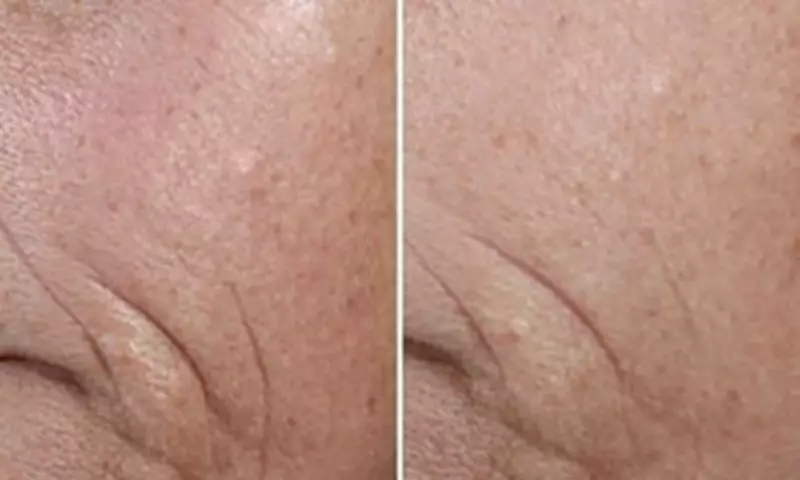
It is also key for brighter, firmer looking skin. Vitamin C supports collagen production and helps protect the skin from environmental stressors that can accelerate ageing. It can also help to even the complexion by fading hyperpigmentation, adds consultant dermatologist Dr Derrick Phillips.
How Does Vitamin C Protect Skin?
Free radicals are chemically unstable molecules that damage your skin, and a good Vitamin C serum is vital to protect yourself against them. Free radicals contain an unpaired electron, which makes them eager to react with other molecules in order to stabilise themselves, explains Dr Derrick.

They stimulate enzymes in the skin that break down collagen and other structural proteins, thus accelerating visible signs of ageing like the formation of lines and loss of elasticity. Vitamin C is a potent antioxidant, which means it can neutralise free radicals before they have the chance to damage skin cells. Vitamin C helps by donating an electron to these unstable molecules, stabilising the free radical and effectively neutralising it, preventing it from reacting with important cellular components such as DNA, proteins and lipids.
What Should I Look For in a Formulation?
Not all Vitamin C serums are created equal. When choosing a vitamin C serum, the most important factor is the formulation. The most studied and biologically active form is L-ascorbic acid, typically used at concentrations of around 10–20%. It can also be beneficial to combine a vitamin C serum with other skincare products that contain complementary ingredients. Antioxidants such as vitamin E can help enhance antioxidant protection, while barrier-supporting and hydrating ingredients help improve the skin’s resilience, says Dr Derrick.
Is It Best for an AM or PM Routine?
It makes more sense to prioritise your vitamin C for daytime use, as this is when your skin is exposed to the highest levels of UV rays and environmental pollution. While using it at night won’t harm your skin, its primary clinical function is defensive, meaning you get the most benefit by wearing it as a protective shield throughout the day, says Dr Mahto.
How Should Vitamin C Be Stored?
Pure vitamin C is notoriously unstable and degrades quickly when exposed to light, heat, and air. To prolong its shelf life, Dr Mahto advises storing it in a cool, dark place away from direct sunlight (like a bathroom cabinet) and ensure the lid is tightly sealed immediately after use.
If when you go to apply your Vitamin C the serum has turned from a clear or pale champagne colour to a dark yellow, orange, or brown, that means it has oxidised. Once it oxidises, the active L-ascorbic acid has degraded, meaning it loses its antioxidant power, and it can actually cause irritation or temporarily stain the skin, so it should be discarded.
Product Recommendations
- Paula's Choice C15 Super Booster: Dr Mahto says, 'I personally really like the Paula's Choice C15 Super Booster - it's a fantastic, highly effective formula.'
- SkinCeuticals C E Ferulic: A popular choice that stimulates collagen production, reducing the appearance of fine lines.
- Sunday Riley Vitamin C.E.O Glow: Dr Mahto's other pick, infused with golden turmeric for instant vibrance.
- SkinCeuticals Silymarin CF: Dr Derrick's pick, formulated with 10% L-ascorbic acid, differing slightly from the brand's best-selling CE Ferulic.
Looking to upgrade your beauty routine? This month's You Magazine beauty box includes top essentials our editors swear by.