
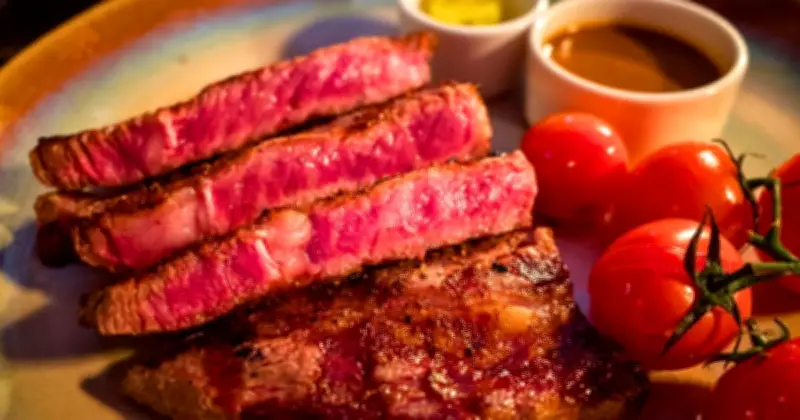
Salting a steak before cooking is the most important step to ensure it stays juicy and tender. Without this simple preparation, meat can turn out grey, charred, and chewy as moisture spills out and creates steam that prevents browning.
Why salting makes a difference
Meat contains a lot of moisture, so throwing a steak straight into a frying pan can cause water to spill out and create steam that stops it from browning. Instead of a golden, crisp steak, you end up with a chewy chunk of meat that cooks unevenly and tastes bland as the flavorful juices leak out.
Derek Wolf, a cook and founder of Over the Fire Cooking, shared that the most important step to making a “mouthwatering, freakin’ delicious steak” is not the cooking process but taking the time to salt it beforehand. He said, "I’d argue that when you’re grilling, salt is basically your most crucial ingredient for a perfectly cooked steak. It is a flavour-enhancing ingredient and really turns a good steak great, and makes a great steak even better!"
How salting works
Salt draws out moisture and juices that sit on the skin and slowly reabsorb into the meat. This pushes those juices deeper back into the meat, so nothing spills out during cooking, resulting in a more flavorful steak. It also makes the steak skin drier, helping it caramelise properly in a frying pan for a perfect brown and crispy crust.
All you need to do is take a few minutes to coat the steak in salt before cooking to get a much better taste and texture with minimal effort.
What you need and how to cook
You will need one steak (any cut you like), two tablespoons of salt, cooking oil (rapeseed, sunflower, or avocado), any other seasonings or herbs you like, and butter. Kosher salt is commonly used because its large crystals draw moisture out faster and are easier to control, though sea salt, pink Himalayan salt, or table salt are also fine.
Do not use olive oil to cook a steak, as it has a low smoke point and will burn at high temperatures. Use avocado oil (the best option), rapeseed, or sunflower oil instead.
To begin, sprinkle one tablespoon of salt on one side of the steak and rub it in until evenly coated. Place it on a plate or tray and refrigerate. Salt the steak at least one hour before cooking to let the juices settle, but leaving it for 24 or even 48 hours will develop an even better texture.
When ready to cook, place a pan over medium-high heat, add the oil, and once hot, add the steak. Cook for two to three minutes on one side, then flip and cook for another three minutes. Cooking time depends on preference: medium-rare takes about five minutes, medium about seven minutes, and well-done about 10 minutes.
Once seared to your liking, lower the heat to medium-low and add a knob of butter, plus garlic cloves, rosemary, or other herbs if desired. When the butter foams, baste the steak for 30 to 60 seconds. Turn off the heat and let the steak rest for five to 10 minutes before cutting. This allows the temperature to even out and the juices to resettle, preventing them from spilling out and drying the meat.




