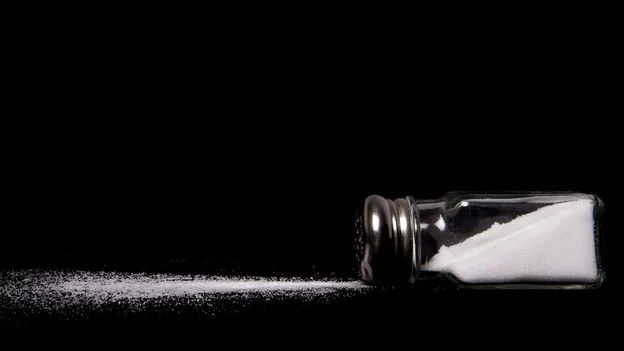
Salt has long been cast as a dietary villain, blamed for everything from high blood pressure to heart disease, dementia and even stomach cancer. Research this year suggested that the average Briton consumes the equivalent of around 155 crisp packets' worth of salt each week - way above the NHS' maximum recommendation of 6g per day. A major culprit is the rise of ultra-processed foods (UPFs), with household staples such as bread, cakes, pastries, fried foods and even breakfast cereals often coming loaded with hidden salt.
But cutting it out entirely isn't just near-impossible, it's also bad for our health. Our body needs salt - more specifically, one of its chemical elements, sodium - for a swathe of functions, from maintaining blood pressure to sweating and nerve function. Nutritionist Jenna Hope tells the Daily Mail: 'For people who consume a diet that is made up of whole foods and are cooking most of their meals from scratch at home, adding salt is a beneficial and actually important part of the diet.' The problem occurs when people are consuming a diet that's full of UPFs. We know that those foods are going to be really high in salt.'
But despite the risks of high salt diets being well known, there is a vocal minority who argue that we may actually need to be eating more salt, not less. To fully understand the risks and benefits of the moreish crystals, the Daily Mail consulted a range of experts to answer some of the most pressing questions about salt - and to find out what consuming it really means for our health.
What is salt?
Salt is a natural mineral made of sodium chloride and is sourced in two ways - either being harvested from seawater or mined from an underground rock named halite. When taken from the sea, it forms when water evaporates. Sun and wind gradually remove the water, leaving behind salt crystals which are then harvested, washed, dried and processed. Meanwhile when taken from rock, salt is crushed, ground and purified before undergoing similar processes to make it suitable for consumption. While both types are chemically very similar, sea salt is more commonly used in food, whereas rock salt is also widely used for industrial purposes, such as de-icing roads.
What is in salt and how much should we have?
One teaspoon - around 6g - of salt contains roughly 2,325mg of sodium - over 100 per cent of the daily recommended value - along with trace amounts of other minerals, including about 1.4mg of calcium, 0.5mg of potassium, 0.06mg of magnesium and 0.02mg of iron. These nutrients all play varying roles in helping the body. Sodium helps regulate fluid balance and nerve function, while calcium strengthens bones and teeth, potassium supports heart and muscle function, magnesium aids energy production and the nervous system, and iron helps carry oxygen in the blood. However, most table salt is stripped of these essential minerals when it goes through processing.
The NHS recommends that adults consume no more than 6g of salt per day, including salt present naturally in food and any added during cooking or at the table. Concerningly, most British adults are markedly exceeding this limit, consuming around 8.4g a day - 40 per cent above the maximum recommended amount.
What are the different types of salt we can eat?
Both sea salts and rock salts can be used in cooking and to season our food. The most commonly consumed in the UK is table salt - mined from rock and heavily refined before being sold in its familiar fine white granular form. Saxa and Cerebos are the UK's top sellers, and you'll find them on most supermarket shelves. Typically, you can buy 750g of table salt for under £2. For many people, using salt in the kitchen is a process done on autopilot, added to boiling water or meals before even taking a bite. It's become such a necessity that ex-Lioness and I'm A Celebrity contestant Alex Scott was told to forfeit a star won in a Bushtucker Trial after she snuck a forbidden sachet of salt into the jungle last year.
But there are a variety of other kinds of salt - and some of them are eye-wateringly pricey. Maldon salt, for example, is a trendy type of flaky sea salt known for its crunchy texture and use as a finishing garnish, retailing at around £2.85 for 250g. Harvested in Essex, its hollow texture is often attributed to the area's high salinity - meaning there is a higher concentration of salt per ml of water. Sea salts can have different properties - both physical and chemical - depending on the waters it has been harvested from. Another commonly mentioned salt - particularly in US recipes - is kosher salt. This has larger crystals that make it easy to sprinkle over food. Kosher salt is typically mined from land deposits, while sea salt is evaporated from active ocean water. Iodised salt - a form of table salt mixed with small quantities of sodium iodide or potassium iodide - is also widely used, with people drawn to it due to how iodine can support healthy thyroid function. There's also flaky salt, a sea salt known for its thin, delicate crystals commonly used on grilled meats. Turkish restaurateur Nusret Gokçe, also known as Salt Bae, earned global fame with his theatrical sprinkling skills on £850 gold-leafed tomahawk steaks.
Other types of rock salt - mined from underground deposits which formed over time due to evaporated seas and lakes - include black salt, widely used in Indian and South East Asian cooking. Its colour is formed by heating and mixing charcoal, herbs and spices. Meanwhile Himalayan salt - the distinctive pink variety - has grown in popularity in recent years due to its perceived health benefits over standard table salt. Himalayan salt is mined from the Khewra Salt Mine in Pakistan, where it is expected that supplies will last for the next 350 years. It is surrounded by mythology - not only due to its fascinating colour but because of claims that using it as a lamp can cleanse the air, work as a detox for the body and even increase libido. While many of these claims seem far-fetched, Himalayan salt does contain more than 80 minerals - most of which are in small amounts - whereas table salt is more heavily refined and has the majority of them removed.
Which salt is the best one for us to eat?
Dr Oliver Guttmann, a consultant cardiologist at the private HCA Wellington Hospital in London, says the type of salt matters 'far less than how much is consumed'. He tells the Daily Mail: 'Sea salt, rock salt, and Himalayan pink salt all contain broadly similar amounts of sodium chloride, and the cardiovascular risks associated with excess intake apply equally to all of them. Patients with hypertension or heart failure should not be reassured by reaching for a "premium" salt - the sodium burden on the heart is the same.' Similarly, Ms Hope says people should be mindful of their refined salt intake - like table salt and sea salt - as the processing process for these can strip away trace minerals. She notes that Himalayan salt can be a 'good option' for home cooking because it retains small amounts of these nutrients, but stresses that salt should not be relied upon as a meaningful source of nutrition. Ms Hope adds that iodised salt can help people on plant-based diets because their iodine intake - important for healthy thyroid function and cognitive health - is often lower because they miss out on iodine-rich products like fish, eggs, cow's milk and yoghurt.
What are the dangers of eating too much salt?
Most of the problems linked to long-term high salt consumption are cardiovascular - relating to the heart, arteries and veins - because sodium forces the body to retain water, leading to an increase in blood pressure. The British Heart Foundation warn that high blood pressure, also known as hypertension, can put you at risk of heart attack, heart failure, stroke and even vascular dementia. The World Health Organisation says 2.5million deaths could be prevented each year globally if salt consumption were reduced to less than 5g a day for adults. Dr Guttman explains: 'The evidence linking high sodium intake to elevated blood pressure is robust and well-established. Hypertension is one of the leading modifiable risk factors for stroke, heart failure, and coronary artery disease, so from a cardiovascular standpoint, excess salt intake is a genuine and significant public health concern. Most people in the UK consume considerably more than the recommended 6g of salt per day, often without realising it, because the majority comes from processed and restaurant foods rather than the salt shaker. The hidden sodium in bread, cereals, and ready meals is where the real risk accumulates.'
What are the dangers of eating too little salt?
Despite the general consensus that salt is inherently bad for us, some experts have championed having even more of it in our diets. Dr James DiNicolantonio, a US cardiovascular research scientist and former associate editor of the journal BMJ Open Heart, stunned experts when he advocated for increased salt consumption in his 2017 book The Salt Fix. After reviewing more than 500 papers on salt consumption, blood pressure and heart disease, he concluded that 'the vast majority of us don't need to watch our salt intake. In fact, for most of us, more salt would be advantageous for health.' Dr DiNicolantonio found that 'approximately 80 per cent of people with normal blood pressure [i.e. less than 120/80 mmHg] are not sensitive to the blood pressure-raising effects of salt at all. Dr Guttman says: 'There are patients - those with severe hypotension or certain autonomic conditions - for whom maintaining adequate sodium intake is clinically important.'
Who should have more salt?
Dr DiNicolantonio's views are seen as controversial by some, but he sticks by them. When contacted by the Daily Mail, he outlined who he believes should be looking to increase their salt consumption. He said people starting low-carb diets may need more salt, as reduced insulin levels can increase sodium loss through urine. Eating fewer carbohydrates can reduce the amount of glucose entering the bloodstream, which means the pancreas typically releases less insulin, the hormone that regulates blood sugar. The same may apply to people following whole-food diets, which are typically low in salt, as well as those who regularly consume caffeine, such as coffee or tea. This is because caffeine is a diuretic, triggering frequent urination, which can further increase sodium loss. He also pointed to people who sweat heavily whether through exercise, sauna use or hot climates, which can increase the body's sodium use. Furthermore, those with a high animal protein intake may need more salt, because this type of high-protein diet can also increase the need to urinate more - ultimately removing sodium from the body. He added that dizziness when standing may signal low blood volume linked to low sodium levels, while those with postural orthostatic tachycardia syndrome (POTS) may benefit from higher salt and fluid intake to support circulation. Others who may require more include people with hypothyroidism, certain kidney conditions that cause salt loss, and those taking diuretics - which cause the body to become dehydrated.
What's the difference: added vs natural salts in food?
Naturally salty foods include those from the sea - such as anchovies, tuna and prawns - as well as cheese and fermented or preserved foods like sauerkraut and olives, along with nuts and avocado. However, around three-quarters of the salt we consume comes from UPFs. Ms Hope says: 'It's fine to get your salt from things like olives or tuna in brine or sun-dried tomatoes. But if it's coming from fast food, fish and chips or ready meals, these are very ultra-processed and high in salt. You're going to be consuming far more and the quality is going to be much lower.'
Are there any alternatives to salt?
Ms Hope recommends boosting flavour with alternatives to salt, such as vinegar, chilli flakes, paprika, cumin and garlic. She adds that reduced-sodium salt substitutes can be useful, although they are not a direct replacement. She notes: 'The taste buds will adapt to whatever you train them, so the more salt you use, the more your taste buds will adapt to that - and the more you'll just want to have. Equally it happens in the reverse - if you want to reduce your salt consumption you have to do it slowly rather than just cut it out entirely. Your taste buds will adapt.'
So, is salt a bad thing?
Dr Guttman says: 'Sodium is an essential electrolyte, not inherently a villain. But for the majority of people eating a Western diet - and particularly for those with hypertension or heart disease - the evidence strongly favours eating less of it.' Ms Hope adds that slightly higher salt intake may benefit those following whole-food diets, which are typically low in salt, while Dr DiNicolantonio believes that certain groups need to increase their intake. Ultimately, individual needs can vary, so it is best to consult your GP to determine what is right for you.