
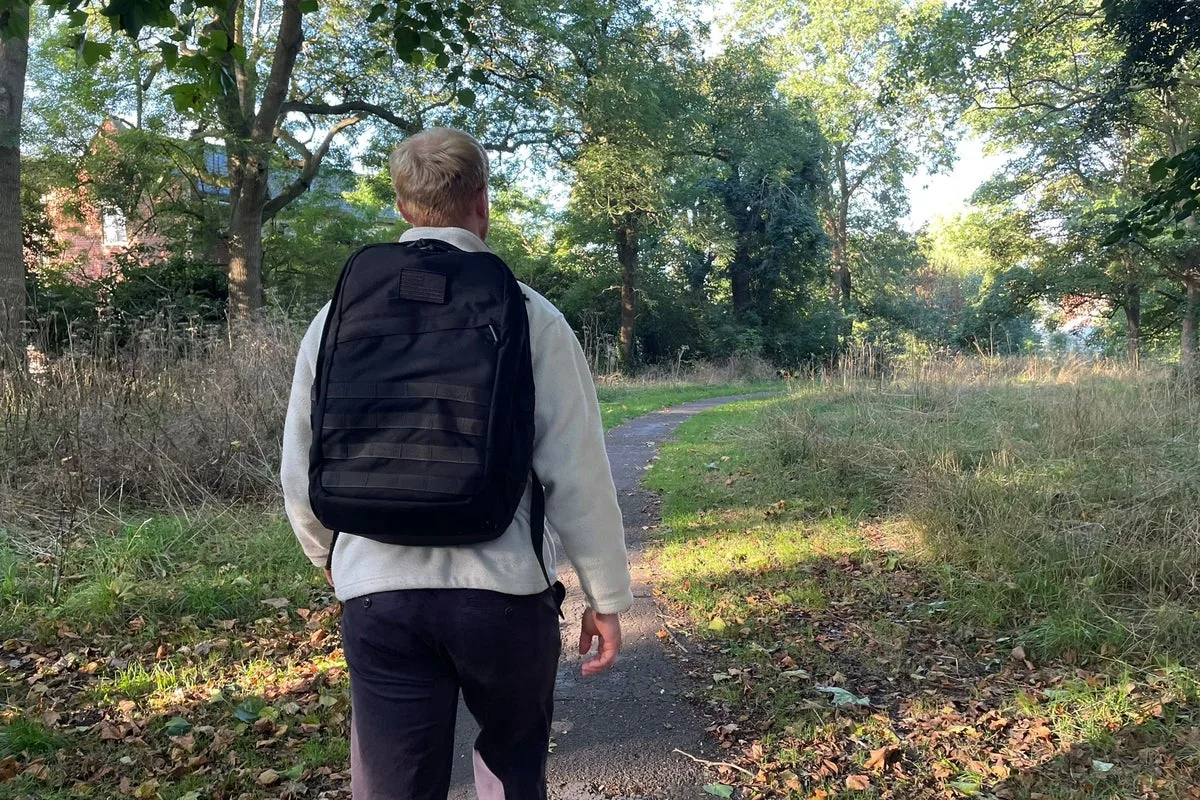
Rucking, the practice of walking with a weighted backpack, has gained popularity for its simplicity and effectiveness. Originating in the military, it offers a high reward for relatively low effort, boosting fitness and building strength throughout the body. I committed to walking 10,000 steps a day for a week with a weighted backpack to see what all the fuss is about.
One of the biggest surprises was how easy it was to start. Unlike many new exercises, rucking felt intuitive—just walking with a bit of extra weight. No specialist equipment is needed; you can begin with household items like a heavy water bottle. I used a purpose-built backpack from GoRuck, but the key is to start light and gradually increase the load.
I integrated rucking into my daily routine, wearing the backpack for dog walks, trips to the office, and errands. This made hitting 10,000 steps effortless. For those short on time, rucking amplifies the benefits of a shorter walk, making it a practical fitness hack. Nichele Cihlar, GoRuck's director of training, recommends keeping the weighted bag by the front door to make it easy to grab.
The physical benefits are significant. Dr Elroy Aguiar, assistant professor of exercise science at The University of Alabama, explains that rucking engages the quadriceps, hamstrings, and calves, leading to small improvements in strength and bone density over time. It also strengthens the core and upper back muscles. I noticed a dull ache in my thighs after hilly walks and felt my upper traps working hard with heavier loads.
Beyond strength, rucking provides cardiovascular benefits by challenging the heart and lungs more than unweighted walking. The effort-to-reward ratio is impressive, making it a sustainable way to enhance fitness without requiring a gym membership or complex routines.




