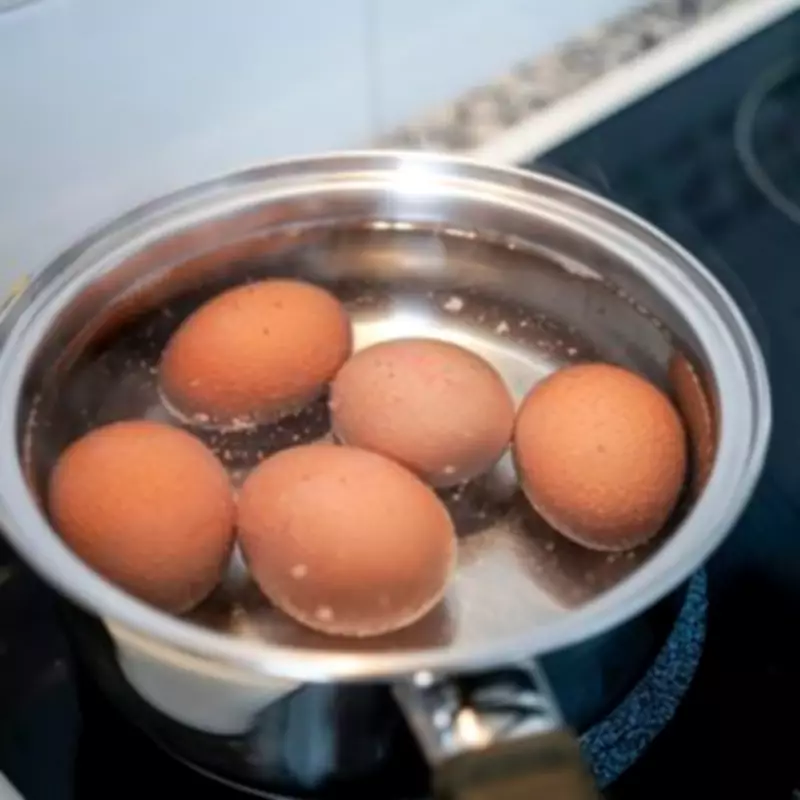
Boiled eggs are a versatile and nutritious option for breakfast, lunch, or a snack, especially during the warmer months. They complement summer salads perfectly and serve as an excellent side dish for dinners. However, achieving the perfect boiled egg can be surprisingly challenging, as the cooking time is critical to the desired outcome.
Why Eggs Crack During Boiling
Eggs often crack when placed into boiling water, causing the whites to leak out and water to seep in, which ruins the texture and taste. The primary reason is the sudden temperature shock when cold eggs from the fridge meet hot water.
The Simple Solution
According to BBC Good Food, the key is to let eggs reach room temperature before cooking. This reduces the thermal shock and significantly lowers the chance of cracking. Additionally, using an egg pricker or a pin to make a tiny hole in the shell before boiling can help. Always lower eggs gently into the water with a spoon rather than dropping them.

Step-by-Step Guide to Crack-Free Boiled Eggs
- Fill a saucepan with water and bring it to a boil.
- Allow eggs to come to room temperature if they were refrigerated.
- Optionally, prick a small hole in the eggshell with an egg pricker.
- Slowly lower the eggs into the boiling water using a spoon.
- Reduce heat to a simmer and set a timer according to your preference.
Cooking Times for Large Eggs
- 5 minutes: Just-set white with a runny yolk, ideal for dipping.
- 6 minutes: Liquid yolk with a slightly wobbly white.
- 7 minutes: Almost set for a sticky yolk.
- 8 minutes: Softly set and jammy, perfect for scotch eggs.
- 10 minutes: Classic hard-boiled egg that is mashable but not dry.
By following these simple steps, you can enjoy perfectly boiled eggs without the frustration of cracked shells.