
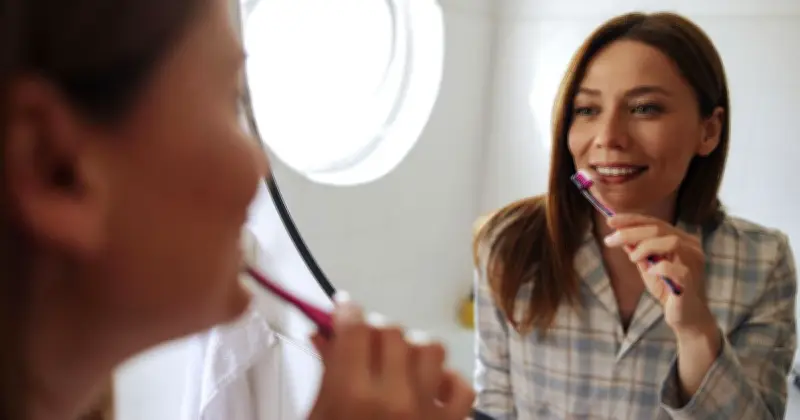
A new study has revealed that only 12% of Brits are following the dentist-recommended teeth cleaning routine, despite eight in 10 believing they brush their teeth correctly. The poll of 2,000 adults highlights a significant gap between perception and reality when it comes to the UK's oral care habits.
Key findings from the research
The study found that 88% are not consistently following professional advice. More than two thirds (63%) spend less than the suggested two minutes brushing their teeth, and 16% only brush once a day. Additionally, 74% do not floss daily, and half use a manual toothbrush rather than an electric one.
The research also found that 11% do not use toothpaste with fluoride, as recommended, while 17% admitted they were not even sure what type they use on their teeth.
Oral health challenges in the UK
The findings come at a time when, according to the Oral Health Foundation, many people continue to face challenges accessing dental care, making good oral hygiene habits at home more important than ever. They also report that almost one in four UK adults have untreated tooth decay, and 9% show signs of severe gum disease.
Oral-B's Brush for Better campaign
Commissioned by Oral-B, the study coincides with the launch of its Brush for Better campaign, which sees the brand take its purpose-built dental bus on a nationwide tour from July to September 2026, bringing oral health education, expert advice and practical guidance directly into communities across the UK.
At the end of its journey, the purpose-built dental bus will be donated to Dentaid - The Dental Charity - joining its fleet of mobile dental units, which provide free dental care and oral health advice to under-served communities.
David Ewan, Northern Europe senior director oral care at Oral-B, said: “Good oral health starts with the habits we practice every day at home, yet the research reveals a clear gap between perception and reality when it comes to how people care for their teeth. That’s why making expert advice accessible is so important.
“By the end of the bus tour in November, we want to have meaningfully increased the number of people following the recommended oral care routine.”
Oral health deprioritised
The research also found that oral health is often deprioritised compared with other health habits, with many putting more effort into healthy eating (52%) and exercise (47%) than looking after their teeth and gums (37%).
When comparing generations, it’s the younger adults who appear to be more receptive to improving their oral care habits, with 32% of Gen Z saying they would improve their routine if they had more advice. It also emerged that 35% avoid smiling because they feel self-conscious about their teeth, while 48% claim good oral health makes them feel confident.
Although 77% rely on their dentist for advice on the best oral health, 14% visit them less than once a year, and one in 10 have even gone five years without sitting in the chair.
Furthermore, some are even seeking advice beyond the dental chair as 10% are using AI for guidance on improving their brushing routine, while 17% turn to social media for oral health advice, according to the OnePoll.com data.
Dentist Dr Eva Castro Perea said: “These results show there's still a lack of awareness about what makes an effective oral care routine.
“Brushing twice a day for two minutes, using an electric toothbrush, flossing every day and replacing your brush head regularly are simple habits that can have a huge impact on oral health over time.
“Getting these everyday habits right at home is very important.”




