The High-Priced Pursuit of Wellness and Community in New York City
New York City's burgeoning wellness club industry offers a compelling promise: improved physical and mental well-being alongside meaningful social connections, all within exclusive, members-only environments. These spaces, marketed heavily through aesthetically pleasing Instagram advertisements filled with buzzwords like "community," "energy reset," and "connection," represent a significant financial commitment for those seeking refuge from urban stress. Amber Raiken recently visited three of the city's most in-demand wellness clubs to investigate whether these luxurious establishments truly foster the sense of belonging they advertise, or if they merely provide an expensive illusion of community.
Othership: Guided Gratitude in a 185-Degree Sauna
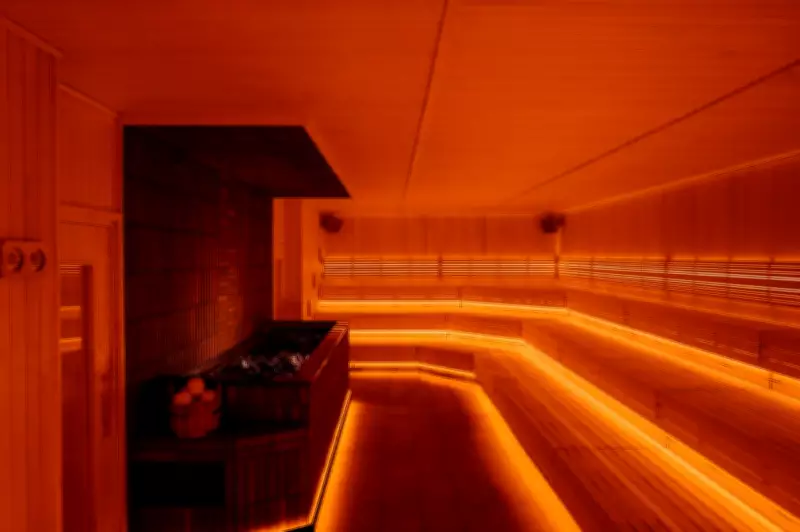
At Othership, one of New York's prominent wellness clubs, the experience begins in a massive, 185-degree sauna capable of accommodating up to 70 participants. During a "Guided Gratitude" session, an instructor leads the group through deep breathing exercises before encouraging attendees to share personal reflections. In one instance, a woman expressed gratitude for leaving a toxic job, while another discussed her journey toward greater confidence. A man behind Raiken simply stated he was thankful to be in a sauna full of strangers. Each revelation was met with enthusiastic applause from the group.
Despite this shared vulnerability, the anticipated post-session camaraderie failed to materialize. Once the class concluded, participants quickly gathered their towels, averted their eyes, and departed, causing whatever intimacy had been forged in the intense heat to dissipate almost immediately. Othership memberships range up to $333 per month, depending on location and frequency of visits, with amenities including performance saunas, ice baths, and complimentary tea lounges.

Not all experiences at Othership reflect this transient connection. Adam Farber, a 28-year-old Glowbar executive who visits six times weekly, credits the classes with improving his patience and sleep quality. He has also formed friendships with five like-minded individuals through the club. "You're not going because you want to drink and party. You're going because you want to feel good and take care of yourself," Farber explains. "What's different, compared to my other friendships, is that people at Othership all share the elective investment into wellness."
Moss NYC: Opulent Amenities with Conversation Restrictions
Moss NYC, a five-story members-only club in midtown Manhattan, elevates the luxury wellness experience to new heights—and costs. For a substantial $480 monthly fee plus a $1,500 initiation fee, members gain access to exclusive bars, restaurants, and a two-floor wellness space called Bedrock Aquatics & Athletics. The gym features bespoke equipment, button-back armchairs, a brown leather booth for workout breaks, floor-to-ceiling windows overlooking an indoor pickleball court, and dumbbells with a wooden finish.
The women's changing room provides fluffy bathrobes, towels, and flip-flops pre-placed in lockers, alongside a marble counter with samples of premium skincare products. However, the bathhouse, which includes a vitality pool, marble hot tub, and steam room, prominently displays signs prohibiting conversation, directly contradicting the club's promise of fostering social connection.
Julie Wandzilak, Head of Physical Culture at Bedrock, defends the environment, suggesting that friendships typically develop through repeated gym visits. "I think we create a really good environment, specifically on the gym floor, of curating some type of connection," she states. "Whether that's with a trainer out on the floor or one of our Pilates instructors introducing the people they've trained to one another."
Lore Bathing Club: A Cozier, More Affordable Alternative
Lore Bathing Club in NoHo offers a comparatively more intimate and affordable wellness experience at $225 monthly. The two-storey space features two saunas—one with cedar benches, another with infrared panels—alongside a communal cold plunge. While still luxurious with ample marble accents, Lore maintains a cozier, less ostentatious atmosphere than its competitors.

Members Arjan Singh, 32, and Maggy Rogow, 37, both joined in November and report positive outcomes regarding friendship formation and overall well-being. Singh primarily appreciates the sauna and cold plunge facilities, with social interaction serving as a pleasant bonus. "It's been more about reconnecting with people I already know—running into acquaintances I hadn't seen in a while and catching up," he shares. "That's been a really nice, organic part of the experience and has led us to grab a bite after."
Rogow utilizes Lore to manage seasonal affective disorder during winter months, finding the social aspect an additional benefit. "Striking up conversations kind of comes naturally at Lore," she observes. "I get very socially anxious, but I don't for some reason in that environment because everyone's a little more vulnerable, such as by bathing suit and a towel. I think that just removes some of the social armor that I have up."
The Loneliness Epidemic and the Wellness Club Response
Wellness clubs strategically market themselves as antidotes to America's loneliness epidemic. Recent data from the American Psychological Association reveals that over 60% of adults report feeling lonely, while at least half experience isolation, exclusion, or lack companionship frequently. These clubs position themselves as solutions, albeit expensive ones.
Dr. MaryEllen Eller, a board-certified psychiatrist and Regional Medical Director at Radial, acknowledges that wellness clubs can provide environments facilitating connections among individuals with shared interests. However, she emphasizes that these establishments represent a luxury, not a universal remedy. "This is not the only pathway to address loneliness or build relationships or community," Dr. Eller cautions. "You can show up to a wellness club that offers everything and you can walk out having paid a lot of money and gained nothing from it."
She recommends more accessible alternatives, such as Instagram or Facebook meet-up groups centered around creative activities. "If you're super into yoga, doing that once a month in the park could be a good way to meet some friends," she suggests. "You want to find a community with which you have something in common. Something that you can be passionate about and look forward to doing."
Commodified Self-Care and the Reality of Connection
Following her visits, Raiken concludes that wellness clubs would not be her primary choice for friendship formation, even disregarding financial constraints. She notes that in the saunas she experienced, participants seemed inwardly focused on personal well-being rather than actively engaging with others. These clubs operate at the complex intersection of self-care and commodification, demanding healthy skepticism from consumers considering monthly fees reaching hundreds of dollars.
While the physical benefits—including improved sleep, stress relief, and respite from urban life—are undeniable, the promise of consistent community appears less reliable. Wellness clubs offer one polished, premium approach to alleviating modern stressors, but they provide no guaranteed cure for loneliness. Ultimately, they represent a high-cost experiment in whether curated environments can genuinely manufacture the human connections so many New Yorkers desperately seek.