Dr Michael Yafi has proposed that examining art history could help medical professionals develop a less judgmental and more empathetic approach to obesity. In a new analysis, he argues that corpulence was historically viewed as a sign of prosperity, wealth, high social status, and beauty, as evidenced in various artworks across different eras.
Historical perspectives on body weight
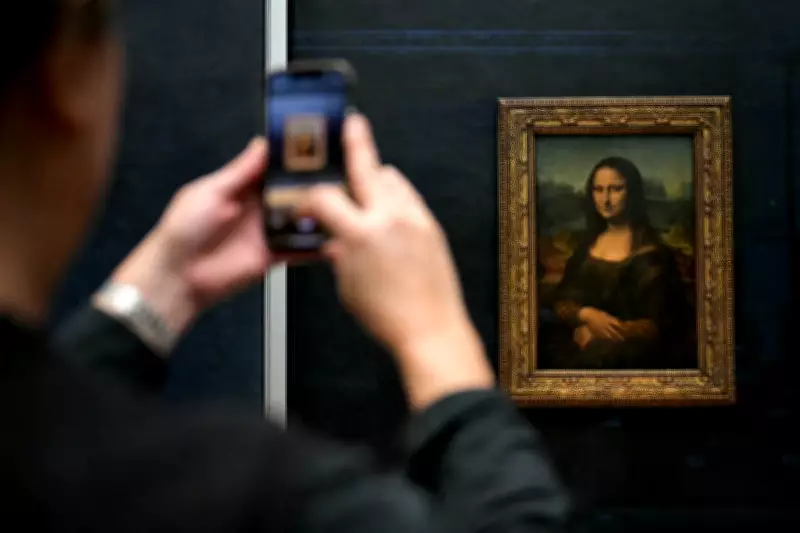
Examples cited by Dr Yafi include Leonardo da Vinci's Mona Lisa, whose subject may have been overweight due to pregnancy, and the ancient Venus of Willendorf, which depicts exaggerated body forms. He also highlighted that figures like the Greek god of wealth, Pluto, were often portrayed as obese, and many Ottoman emperors were depicted with abdominal obesity.
Implications for modern medicine
Dr Yafi suggests that understanding these historical contexts can help doctors avoid biased judgments about patients' weight. Looking to the future, he predicts that contemporary art will likely feature what he calls “GLP-1 face,” reflecting the gaunt appearance caused by modern weight-loss medications.

This perspective encourages a more nuanced view of obesity, moving away from purely negative connotations and towards a holistic understanding of body image across cultures and time periods.