In a world dominated by constant digital stimulation and relentless busyness, one simple, analog activity has emerged as an unexpected sanctuary for calm and focus. For Rachel Hosie, a freelance writer based in the south of France, the humble jigsaw puzzle has become a powerful tool for managing anxiety and finding peace amidst life's chaos.
The Rediscovery of a Childhood Pastime
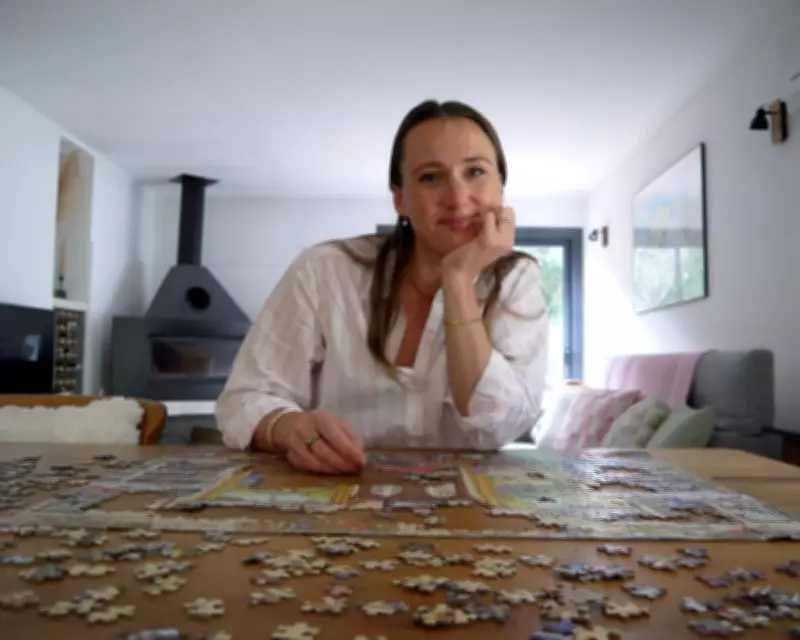
Until recently, Hosie hadn't touched a jigsaw puzzle in over two decades, dismissing them as mere child's play. Her perspective shifted dramatically during a rainy autumn afternoon in February 2026, when she stumbled upon a forgotten 1,000-piece puzzle gifted to her and her husband years earlier. With little else to do while her husband watched an uninteresting film, she decided to give it a try—and was immediately captivated.
The Addictive Allure of Piece-by-Piece Progress
The puzzle featured a charming illustration of Agatha Christie at her writing desk, filled with subtle nods to her literary works. Completing it took Hosie a couple of weeks, with sessions ranging from five minutes to two hours depending on her schedule. She found herself irresistibly drawn to the task, often having to resist the urge to puzzle when other responsibilities called. "It was oddly addictive," she recalls, describing the satisfaction of finding the perfect piece for each space and gradually watching the image come together.

Every successful placement delivered a small rush of dopamine and a tangible sense of achievement, a reward earned through focused effort rather than passive scrolling through social media feeds. Unlike the fleeting highs of digital consumption, puzzling offered a sustained, engaging challenge that demanded her full attention.
A Calming Antidote to Life's Turmoil
Hosie's rediscovery of puzzles coincided with a period of significant personal upheaval. As a newly freelance professional, she was navigating major life changes including marriage, quitting her job, and moving abroad—all within a span of three weeks. The sensation of events spiraling beyond her control was palpable, and traditional relaxation methods fell short.
Walking proved ineffective as it became prime time for rumination; reading led to distracted mind-wandering; television and films tempted her to double-screen with her phone; and meditation or yoga felt impossible due to her inability to sit still. Puzzling, however, required complete immersion in the tactile task at hand. The physical act of leaning over pieces and selecting them prevented phone use, creating a rare screen-free zone in her otherwise digitally saturated life.
The Unintentional Mindfulness of Analog Engagement
This unintentionally mindful activity provided a much-needed respite from the overthinking that often plagued her. "It's not about completing the jigsaw as quickly as possible," Hosie emphasizes. "As cringe as it sounds, it's about the process." The focused engagement quieted her racing thoughts, offering a straightforward, achievable goal in a world full of uncertainties.
Since that first puzzle, Hosie has purchased additional sets and plans to redo them repeatedly. She is even considering investing in a roll-up puzzle mat to preserve progress without monopolizing her dining table or floor space for weeks on end. Her enthusiasm has found resonance among peers, too. When a group of thirtysomething friends visited recently, they discovered a shared passion for puzzling, debunking the myth that it's solely a children's activity.
The Missing Piece in Modern Wellbeing
For Hosie, jigsaw puzzles have become a reliable comfort, a go-to remedy for anxiety that fits seamlessly into her routine. In an era where wellness often involves expensive apps or complex regimens, this simple, accessible hobby stands out as a testament to the power of slowing down and engaging with the physical world. Perhaps, as she reflects, it was the missing piece of her life all along—a gentle reminder that sometimes, the most effective solutions are the ones we've overlooked for years.