
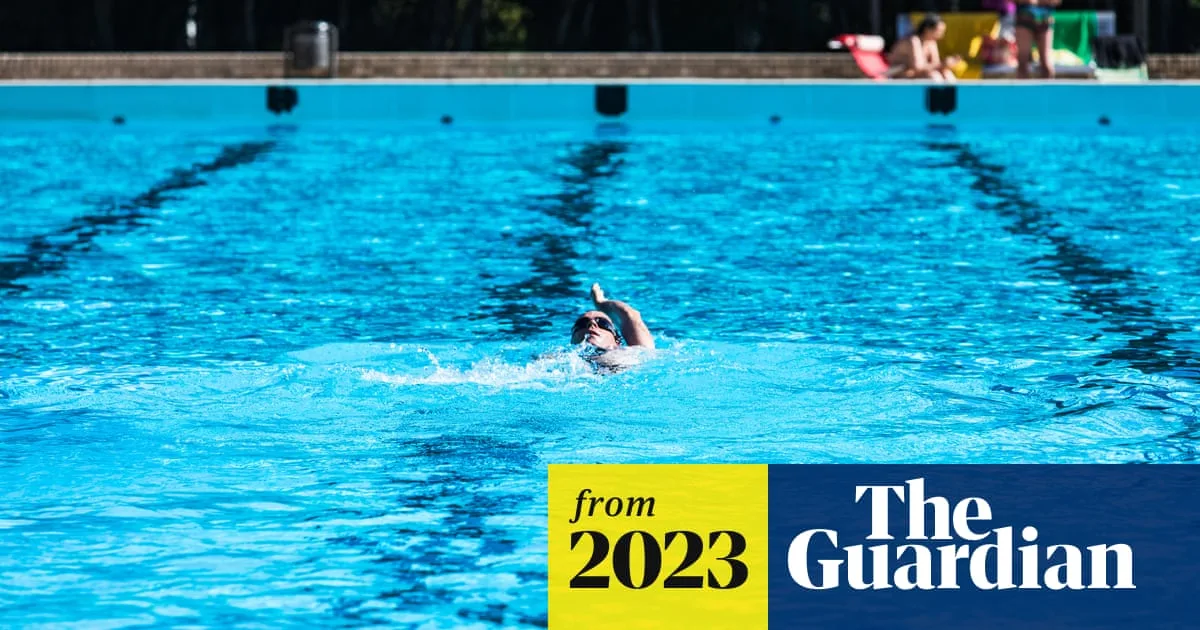
The decline of public swimming pools is eroding community wellness and health equity, as two correspondents highlight in recent letters. Once vibrant hubs serving all ages and abilities, many pools now face closure or neglect due to budget cuts and infrastructure failures.
Gill Empson, a former teacher in Nottinghamshire, recalls a purpose-built pool at a comprehensive school in a mining town, opened in the 1960s. It served nearly 2,000 pupils, local primary schools, and hosted mother-and-baby sessions and adult education classes. Empson taught many elderly residents to swim, a source of great joy. But 21st-century budget cuts forced the school to stop heating the pool, leaving it empty and unusable. Pupils now travel ten miles by bus to the nearest pool, and the community loses access to affordable, enjoyable exercise for all ages. Empson asks, “What price progress?”
Cynthia Scott from Tottenham, London, contrasts the situation with Prime Minister Rishi Sunak, who reportedly upgraded his electricity supply to heat his private pool. Meanwhile, Tottenham’s local pool has been shut since December due to an electricity supply problem. Scott notes that maintenance on a pool in the more affluent western side of Haringey borough was completed quickly. She argues that if leisure facilities are treated as unimportant, campaigns encouraging healthier lifestyles in deprived areas are “nothing but meaningless gestures.”




