
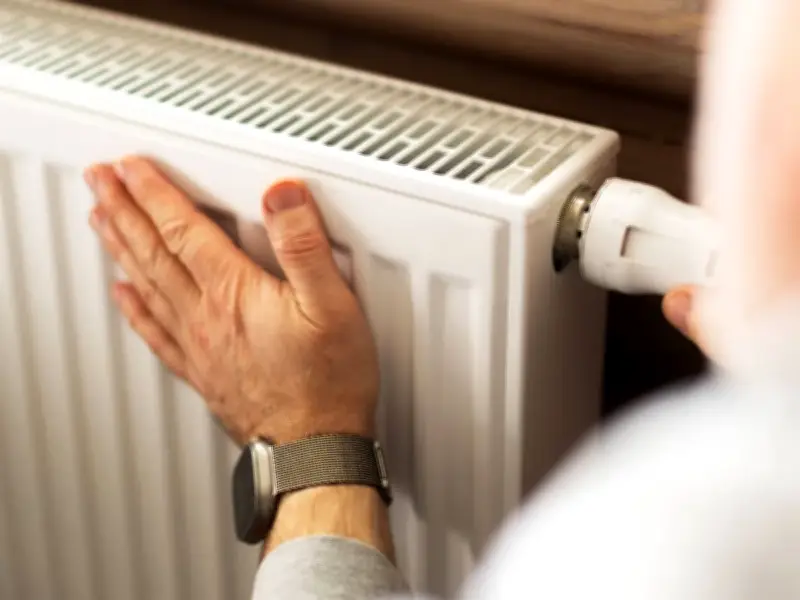
Bleeding radiators this October can improve heating performance and reduce energy bills, according to engineers at Vaillant. The process takes about five minutes per radiator.
Why radiators need bleeding
As autumn brings colder weather, households rely more on central heating. Some may wait until October 20, a date recommended by heating experts, before switching on their systems. But whenever they do, a common issue is radiators failing to heat properly.
If radiators are not heating up, they are likely "in need of bleeding," said engineers at Vaillant. They explained: "Radiator bleeding is the process of letting any trapped air escape from your home's heating system, which will increase heating performance, get rid of those rattling sounds, and ultimately save you money on your heating bill in the long run."
Over time, air naturally enters the heating system, reducing efficiency and creating rattling noises. While unvented systems are more prone to this problem, any domestic heating system can develop air pockets. Neglecting to bleed radiators traps air in particular spots, diminishing heating efficiency and forcing longer running times to reach preferred temperatures.
How to bleed a radiator
To bleed a radiator, you need a radiator key, a bucket, and a cloth because water will leak once the air has escaped. First, turn off the heating and wait for the radiator to cool down completely. The engineers advised: "After switching off your heating, you should wait for one hour and let the pipes and radiators cool down. The bleeding process itself takes approximately five minutes for each radiator."
Find the valve, usually on the upper side of the radiator, and turn the key anti-clockwise by a quarter to half a turn. A hissing sound indicates air is being released. Stop opening the valve when you hear that noise to prevent excess water from leaking. Once the hissing stops and only water emerges, the radiator has been bled. Allow a small quantity of water to run before closing the valve by turning the key clockwise.
After bleeding: check pressure and boiler
Take care not to overtighten the valve to avoid damage. For multiple radiators, it is best to complete all the ones downstairs before moving upstairs.
Before turning the heating back on, check the water pressure on the boiler, as you may encounter an F22 fault code. The boiler should display between 1 and 1.5 bar of pressure when the central heating is cold. If the pressure is insufficient, top up the heating water. Finally, check whether all radiators are heating up correctly.




