Gwyneth Paltrow's Goop Kitchen Brings Los Angeles Flair to New York City
Gwyneth Paltrow has introduced a slice of Los Angeles to New York City with the launch of her health-focused eatery, Goop Kitchen, in the Big Apple. The Southern California native founded her company, Goop, in 2008, starting as a weekly lifestyle newsletter that has since evolved into a vast multi-faceted empire.
From Newsletter to Wellness Empire
Goop initially expanded into e-commerce, offering a range of products from vibrators and red-light shower filters to 'sex oil' and socks. The brand gained further attention with the 2020 Netflix documentary The Goop Lab, where Paltrow and her team explored controversial wellness topics like psychedelics, cold therapy, and energy work. This six-episode series faced criticism for promoting unproven, pseudoscientific health claims, sparking debates in the health community.
Expansion into Food and Beverage
In March 2021, Paltrow entered the food and beverage industry by opening the first Goop Kitchen in Santa Monica, California. This fast-casual clean-eating restaurant concept quickly grew, expanding to 14 locations across California. Now, the brand is targeting New York City, with a kitchen recently opened in Midtown West and plans for additional locations in East Williamsburg and the Upper East Side. By the end of the year, four more locations are set to open, aiming to serve much of Manhattan and parts of Brooklyn.

Menu Highlights and Pricing Concerns
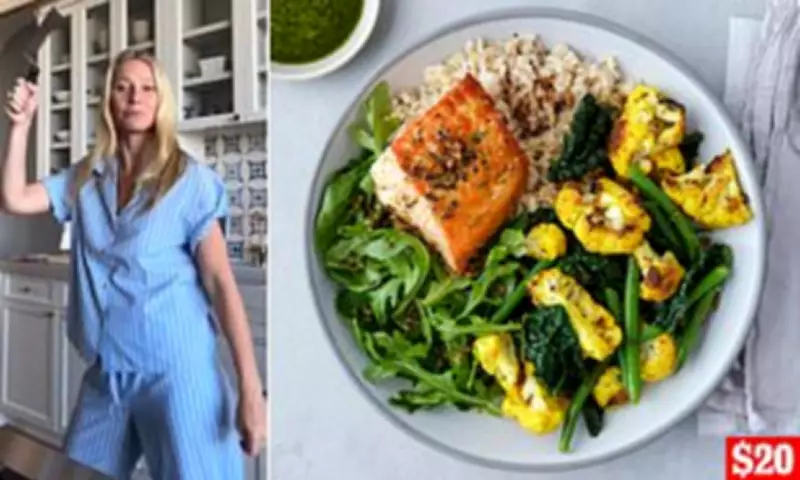
Standout menu items at Goop Kitchen include a Chicken Caesar Wrap priced at $18, a Spring Salmon Bowl for $20, 'GP's Classic-ish Cobb' at $18, and surprisingly, a $25 pepperoni pizza, despite Paltrow's known preference for bone broth. However, the premium price point may pose a barrier for many New Yorkers, with approximately one in four living below the poverty line, making these $20 salads and wraps inaccessible for some.
Ghost Kitchen Model and Sustainability Efforts
Goop Kitchen's East Coast expansion will operate exclusively through 'ghost kitchens,' meaning orders will be available for delivery only, with no dine-in options. The chain also emphasizes sustainability, promising 100 percent recyclable packaging and a commitment to responsible sourcing, including the use of local produce whenever possible to support regional agriculture.