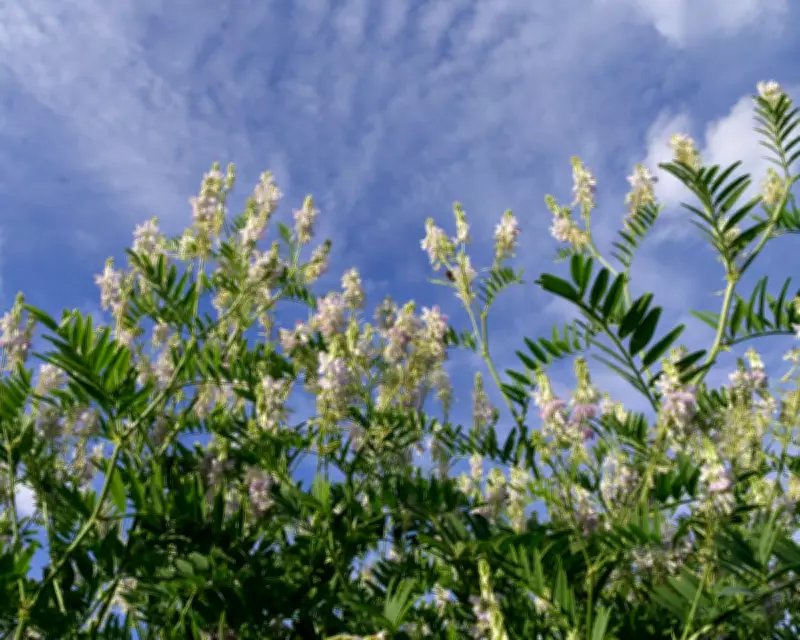
Goat's rue, also known as French lilac or Galega officinalis, is a wild plant often cultivated in gardens for its attractive clusters of lilac or white flowers. For centuries, this plant was employed as a remedy for diabetes. Its active compound, galegine, was later identified as a substance that lowers blood glucose levels, albeit with toxic side effects.
From Plant to Pharmaceutical
Galegine ultimately served as the blueprint for the development of metformin, a synthetic drug that has become the cornerstone of diabetes treatment. Metformin effectively controls blood sugar without the harmful side effects associated with galegine. Today, it ranks among the most prescribed medications globally. However, for many years, metformin faced vilification and bans in numerous countries due to its link to galegine.
Metformin: A Modern Super Drug
Metformin has emerged as a multipurpose therapeutic agent, offering benefits beyond diabetes management. Research indicates it possesses anti-cancer properties, provides cardiovascular protection, delays the onset of diabetes, and aids in weight loss. Additionally, metformin may reduce the risk of cognitive decline, dementia, strokes, slow the ageing process, and potentially increase life expectancy. The precise mechanisms behind these remarkable effects remain partially understood, but it is an impressive achievement for a drug derived from a humble wild plant.

This transformation from a toxic natural compound to a life-saving medication underscores the potential of botanical research in modern medicine.