
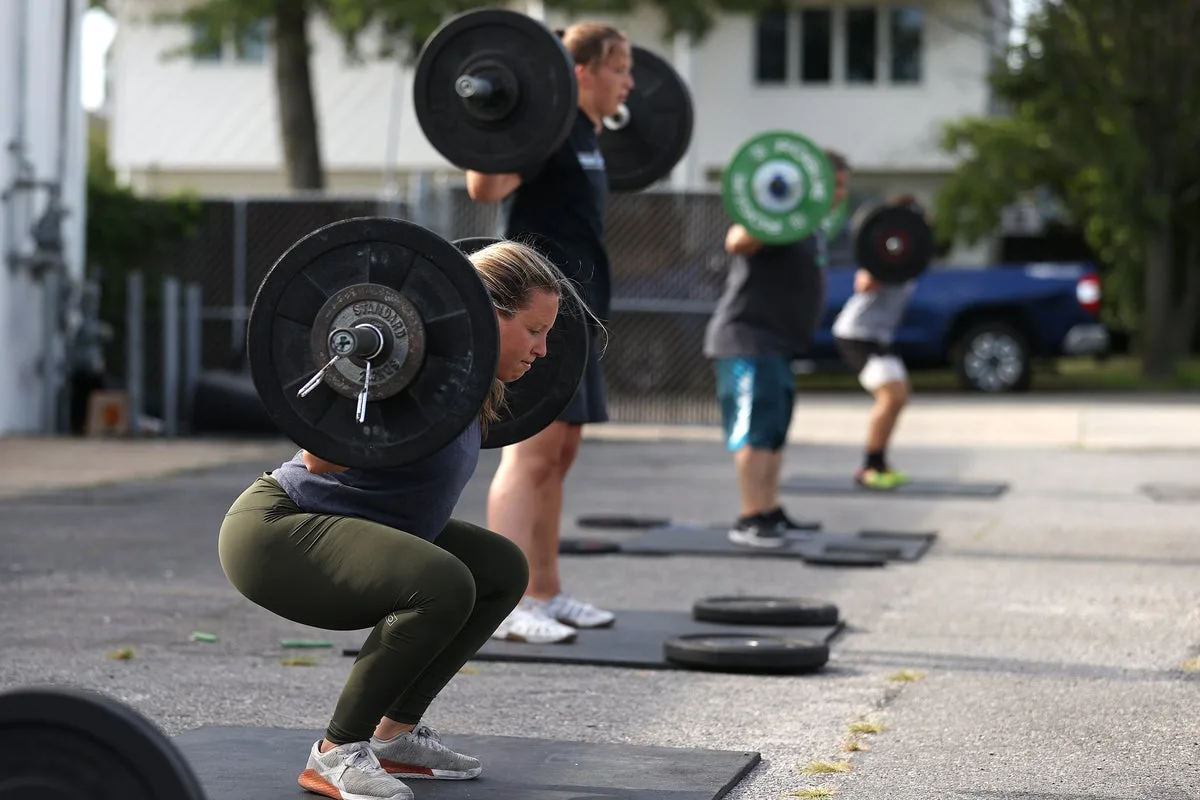
Experts have identified the glutes, the largest muscle group in the human body, as a crucial indicator of health and longevity. Strong glutes support independent living, help prevent injuries, and may even boost brain health as we age.
Research shows that building muscle can extend life expectancy. According to the non-profit AARP, just one hour of strength training per week can increase life expectancy by 17 percent. However, muscle strength naturally declines with age: the average 30-year-old will lose about a quarter of their muscle strength by age 70 and half by age 90, Harvard Health reports.
“Muscle mass really is the key to longevity. It really is our insurance policy for how long we want to stay functional,” said Elaina Manolis, assistant clinical professor of physical therapy at Northeastern University. The glutes, including the gluteus maximus, medius, and minimus, are essential for movement, stability, and shock absorption during walking or running.
Strong glutes also protect older adults from falls and support the lower back during lifting. Additionally, there is evidence linking leg muscle strength to brain health. Dr. Chris Renna of LifeSpan Medicine explained that stronger leg muscles act as pumps, driving cerebral circulation and delivering more oxygen and nutrients to neurons.
Prolonged sitting, averaging eight hours a day for many, can lead to “dead butt syndrome,” a condition of muscle weakness that can impair mobility and increase mortality risk. Experts recommend exercises such as glute bridges, squats, hip thrusts, and deadlifts to strengthen the glutes, along with activities like stair climbing and running.




