4-Step Method to Fix Lawn Patches, Germination in Weeks
Fix Lawn Patches: 4-Step Method for Germination in Weeks

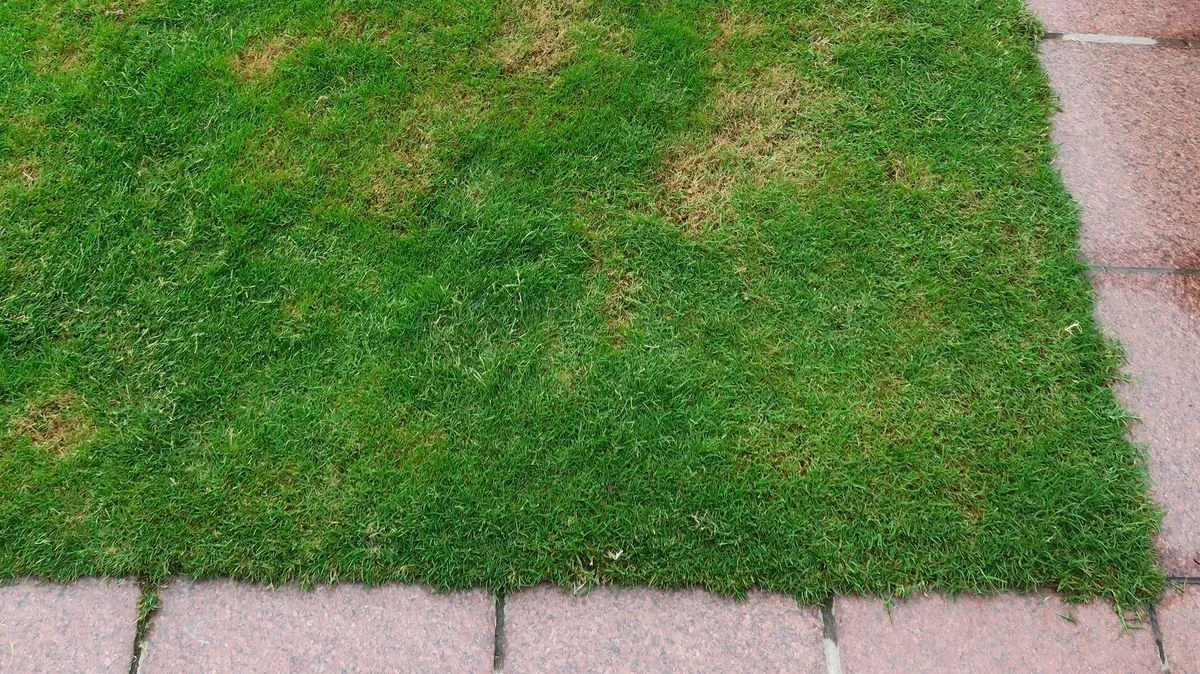
A lifelong gardener has shared a straightforward four-step technique to repair unsightly bare patches on lawns, claiming it will produce germination results within weeks. Tom Strowgler, a seasoned horticulturist, took to TikTok to demonstrate his method, which he describes as a quick and simple approach to achieving a lush, green lawn.

The Four-Step Method

Strowgler began by emphasising the importance of disturbing the topsoil with a trowel. This initial step, he explained, helps to loosen the soil and create a receptive environment for seeds. Next, he recommended dampening the soil with a hosepipe until it becomes sticky, which aids in seed adhesion.

The third step involves scattering quality grass seeds evenly across the affected area. Strowgler advised: "They will stick to the soil and then quilt them with some top soil or lawn dressing, which will snuggle the seeds in between the layers." Finally, he stressed the need to keep the area moist and happy, patting the topsoil and concluding: "You will have germination within weeks, repairing the bare patches on your lawn. I do love a lush green healthy lawn all year round."

Wide Pickt banner — collaborative shopping lists app for Telegram, phone mockup with grocery list

Addressing Common Concerns

Responding to viewer queries, Strowgler offered additional advice. One user asked if the method works on dog urine patches. He replied: "If it's a one-off patch then this should work. If not, then you may need to lift the ground soil and replace it with topsoil. The acid can stay in the soil and prevent germination. So replacing it is important."

Another viewer joked about birds eating the seeds: "The birds love it when I do this... not many seeds left." Strowgler suggested: "Perhaps a quilt of topsoil and a netting to cover it whilst it germinates." A third user raised the issue of ants collecting seeds. Strowgler pondered: "Maybe place a fleece over the grass seed and secure it down. Maybe that'll help."

When asked about new-build gardens with potentially contaminated soil, Strowgler noted: "It should, but if the soil is contaminated then this could impact success."

What Causes Lawns to Become Patchy?

According to the Royal Horticultural Society (RHS), bare patches can result from physical damage, fungal diseases, drought, or heavy use. The RHS states: "It can be tricky to diagnose just by appearance, so instead it's best to consider which causes may apply to your lawn." They add: "Lawns often start to look tatty or patchy after a summer of regular use or spells of hot, dry weather. Frosty or soggy winters can also take their toll."

The RHS recommends repairing issues in spring or autumn when conditions are damp and cool, to prevent weeds from colonising bare areas. However, if the lawn is in a particularly poor state, complete re-laying or re-seeding may be necessary.

Pickt after-article banner — collaborative shopping lists app with family illustration