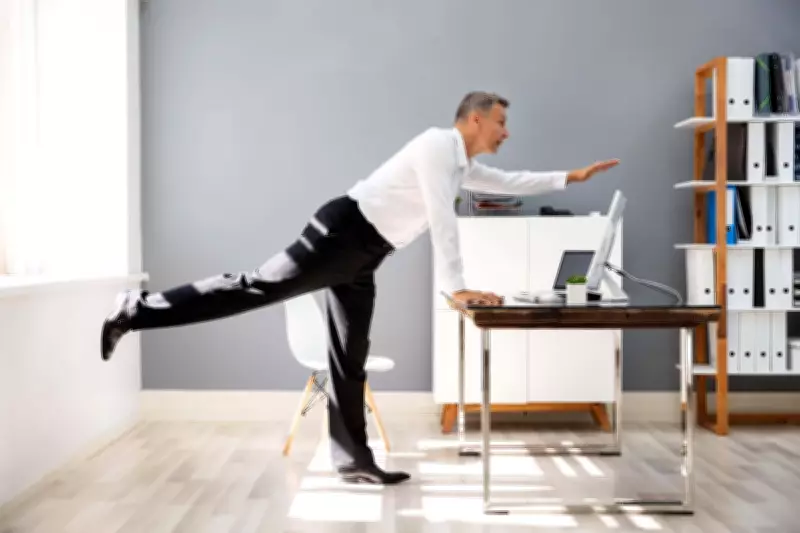
Exercise Snacking: The Fitness Trend Transforming Busy Lives
As spring unfolds and New Year's resolutions fade, maintaining fitness often falls victim to hectic schedules. However, a groundbreaking study offers a compelling alternative: integrating short, intense bursts of activity into daily life, a practice dubbed 'exercise snacking.' This approach promises significant health benefits without the need for lengthy gym sessions.
Research Highlights Dramatic Health Improvements
A comprehensive study involving 96,408 participants from the UK Biobank, conducted by researchers in China, tracked health outcomes over seven years. The analysis focused on the impact of vigorous exercise on the risk of developing eight serious conditions: heart disease, irregular heartbeat, type 2 diabetes, liver disease, chronic lung conditions, kidney disease, dementia, and immune-mediated inflammatory diseases like arthritis and psoriasis.
The findings were striking. Individuals who engaged in more vigorous activity had a lower risk across all diseases. Most notably, their risk of dementia was 63% lower compared to those who performed no vigorous exercise. Importantly, these benefits persisted even with modest amounts of intense activity, suggesting that every little bit counts.

What Exactly Is Exercise Snacking?
Monty Simmons, a London-based personal trainer and founder of Move with Monty, explains the concept succinctly. "Think of it as breaking up your day with little snacks of activity instead of just one main workout meal," he says. "It keeps your body limber, prevents stiffness, and burns excess energy by stepping away from your desk for five to ten minutes."
Darren Sealy, coach and co-founder of Flow State Fit Club, echoes this sentiment, describing it as a "mini workout" that elevates heart rate and enhances cardio and metabolic conditioning. "These short bursts, typically five to ten minutes, can compound significantly over the week if done regularly," Sealy adds.
Tangible Benefits of Daily Movement Snacks
The advantages extend beyond mere convenience. Simmons outlines the physical perks: "Exercise snacking reduces stiffness and pain, counters desk slouching to improve posture, and boosts heart rate variability. It also increases daily calorie burn, which accumulates over time."
This makes it an accessible strategy for busy individuals seeking to enhance their well-being without overhauling their routines.
Integrating Exercise Snacking into Everyday Life
Adopting this practice is straightforward, especially for those working from home. Simmons advises, "Set a timer for five or ten minutes, move to a different room, and pick three or four exercises to complete." For office settings, he suggests subtler options like taking a walk during a coffee break or stretching discreetly.
Consistency is key. Sealy recommends establishing a fixed daily time for these bursts. "Doing it at the same time each day builds a habit in your brain, fostering consistency," he notes.
Recommended Exercises for Effective Snacking
Simmons categorizes ideal movements into three types:
- Stretching: Enhances flexibility and blood flow.
- Cardio: Includes stair-climbing, brisk walking, star jumps, or jogging on the spot.
- Strength: Involves exercises like front lunges, push-ups, or sit-ups.
Mixing these elements can optimize results. Here are specific exercises to try:

Top Exercises to Incorporate
- Standing Back Bends: Stand with feet shoulder-width apart, interlace fingers, reach overhead, and lean back slightly. This stretches the abs and activates upper back muscles, countering slouched posture.
- Good Mornings: Stand tall with hands behind your head, hips back, knees slightly bent, and lean forward until your chest points downward. Feel the hamstring stretch and back activation, then return to standing using glutes and hamstrings to wake up the posterior chain.
- Bodyweight Exercises: Sealy recommends simple, equipment-free routines. "Choose one upper body, one lower body, and one core exercise, like planks, squats, and push-ups. Start with 30 seconds each, repeat three times, and gradually increase duration and consistency as fitness improves," he says. This creates a quick, full-body workout in minutes.
In summary, exercise snacking offers a practical, evidence-based path to better health. By weaving short, vigorous activities into daily life, individuals can reap substantial benefits, from reduced disease risk to enhanced fitness, all while accommodating busy schedules.