
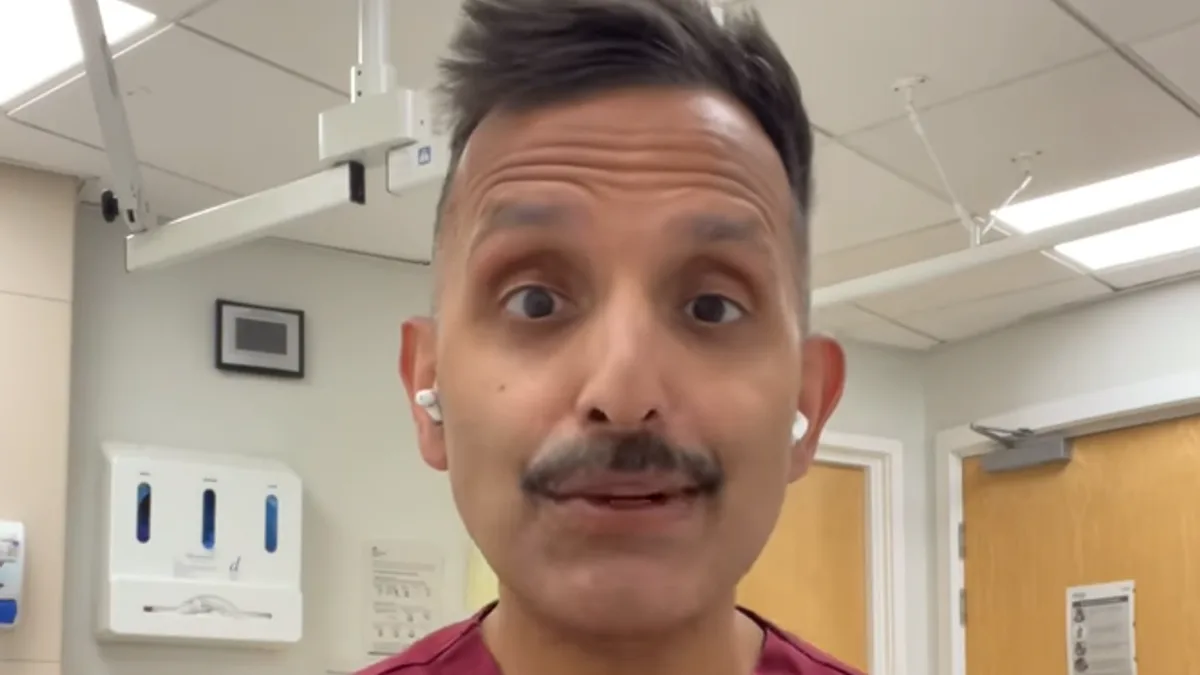
Dr Amir Khan, the physician known for his appearances on ITV, has cautioned that magnesium supplements are not the "answer to everything" for menopause symptoms. In a video shared on Instagram, he acknowledged that some women may find them helpful, but stressed that the scientific evidence for their use remains mixed.
Menopause typically affects women aged 45 to 55, when hormone levels fall and periods cease. Symptoms can include hot flushes, mood swings and brain fog. While the NHS recommends hormone replacement therapy (HRT) as the main treatment, many women turn to supplements such as magnesium to alleviate their symptoms.
Dr Amir said the evidence for magnesium in postmenopausal women is "mixed". He noted that there is some evidence it may modestly help with sleep quality and feelings of stress or anxiety, particularly in those who do not get enough magnesium from their diet. However, he added that the benefits tend to be small, and for hot flushes and night sweats, the evidence is "much weaker".
He also highlighted other factors for maintaining health during the menopause, including resistance exercise, adequate protein, vitamin D and calcium. "For some women HRT is important for their bones too," he said. He pointed out that most people get enough magnesium from food, such as nuts, seeds and dark green leafy vegetables, which he described as "the bigger players" when it comes to bone health.
Official guidance from the Department of Health and Social Care states that a varied and balanced diet should provide all the magnesium a person needs, and that taking 400mg or less of magnesium supplements per day is unlikely to cause harm. A 2015 study in the Menopause journal found that magnesium oxide had no effect on hot flushes, while a separate study in mice suggested potential benefits for chronic pain and memory, but the research remains inconclusive.
Concluding his advice, Dr Amir said: "Magnesium isn't a miracle cure, but it's not nonsense either. It may help some women, especially with sleep and feeling restless." He encouraged viewers to look at the bigger picture, including sleep habits, stress, diet, alcohol and exercise, and to consider whether HRT might be more appropriate.




