
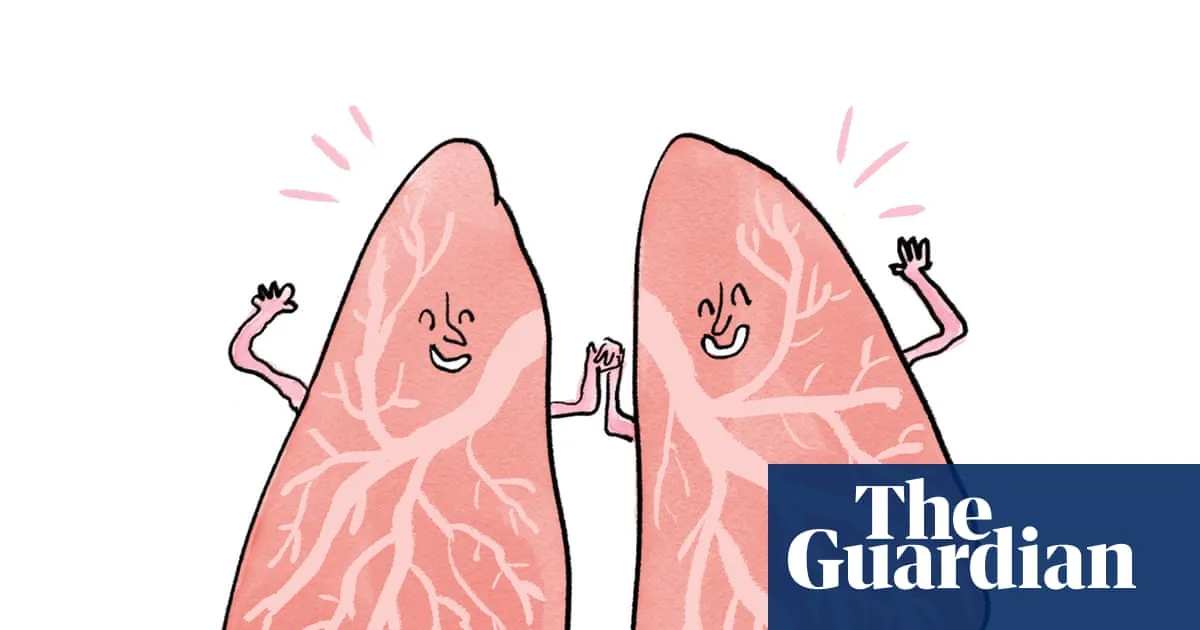
It was once believed that lung damage from smoking was irreversible, but recent research suggests otherwise. Dr Charlotte Dean, head of the lung development and disease group at Imperial College London, explains that lungs have a substantial capacity to heal themselves after quitting smoking.
“Broadly speaking, they can repair when you quit smoking,” says Dr Dean. The lungs have evolved to cope with pollution and infections, but smoking exposes them to more toxic particles than they can handle. However, individual differences mean some people’s lungs may not regenerate as effectively, leaving them susceptible to permanent tissue damage.
Dr Dean warns that quitting does not eliminate all risks. “You may well have triggered mutations or genetic changes or tissue damage,” she notes, which can accelerate age-related decline or lead to cancer. She urges smokers to quit as early as possible, as lung tissue becomes less effective at repairing itself with age.
A healthy lifestyle, particularly exercise, can aid recovery. “Just like how when you exercise you keep your muscles healthy, in a way the lungs are the same,” says Dr Dean, highlighting that exercise improves gas exchange capacity.




