

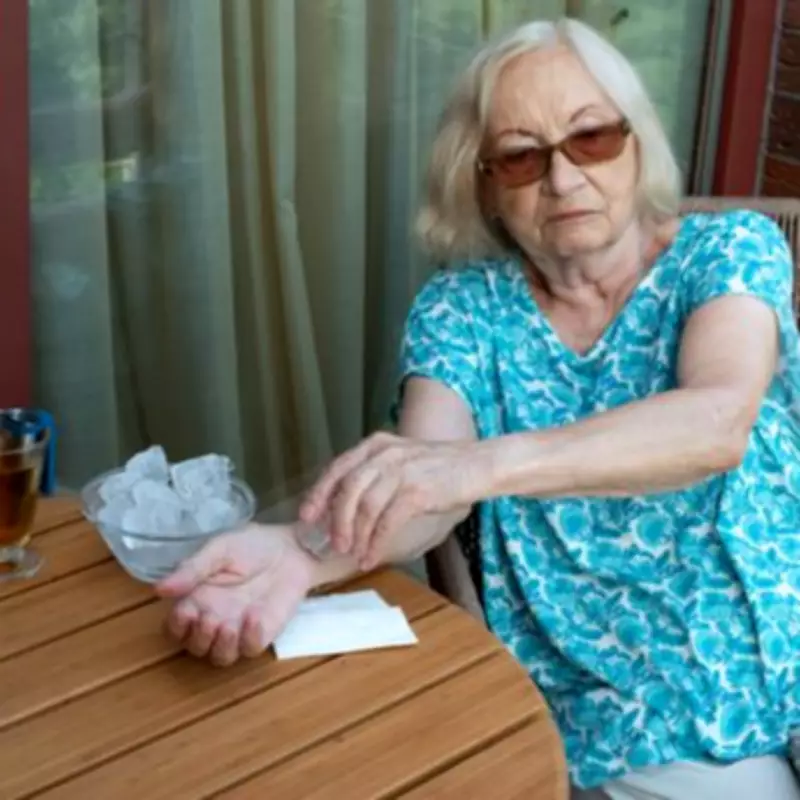
As temperatures soar across the UK, countless Brits are desperately seeking reliable ways to stay cool. Rather than jumping into an ice-cold shower—which experts warn can actually backfire—immediate relief can be found by using your body's natural cooling mechanism through targeting specific zones known as pulse points.
What Are Pulse Points?
These crucial 'hot spots' are where major arteries pass closest to the skin's surface, allowing rapid heat exchange. Applying cold water or a compress to these locations is a scientifically proven 'heat stress hack' that can lower your core body temperature more quickly than many other methods.
Expert Advice from the British Red Cross
According to the British Red Cross, you can cool down swiftly by placing your hands and feet in cold water. "Wrists and ankles have lots of pulse points where blood vessels are close to the skin, so you will cool down more quickly," it states on its website.

How Does It Work?
Your body instinctively tries to regulate its temperature, much like a car engine or fridge uses a liquid coolant system. When you get hot, your body initiates vasodilation—a process where blood vessels near the skin widen, increasing blood flow to the surface so heat can be dispersed into the air.
Circulating blood acts as the body's natural coolant, drawing heat away from warm muscles and transporting it to the skin for release. Pulse points are among the most effective areas to influence this process because the blood vessels sit close to the surface, allowing you to cool the blood directly.
When you apply a cold compress or water to these areas, the temperature of the blood flowing through those vessels is instantly reduced. This cooler blood then travels back through your system, absorbing heat and bringing down your core temperature. By targeting these points, you efficiently dissipate heat and help maintain a stable, lower core temperature, according to the Express.
Where Should You Apply Cold Water?
For maximum benefit, focus on areas where the pulse is strongest and vessels are closest to the skin. These key pulse points include:
- Neck: Specifically, the sides and the nape of the neck.
- Wrists: An easy and convenient place to cool, often by simply running cold water over them.
- Underarms: A highly effective major blood vessel area.
- Groin: Another area adjacent to major blood vessels.
- Temples and forehead: Popular spots for applying a cool compress to quickly relieve heat.
- Behind the knees or elbows: Other areas where blood vessels are close to the skin's surface.
Research has also shown multiple benefits of splashing cold water on the face, as it stimulates the trigeminal nerve. This triggers the mammalian dive reflex, compelling your parasympathetic nervous system to activate, which can instantly slow your heart rate and alleviate acute stress.
What Is the Best Way to Apply Cold Water?
Cold compresses or ice packs: Apply ice packs, cold compresses, or even a chilled sock filled with rice—which holds cold longer than ice—to your wrists, neck, or temples.
Evaporative cooling: This method involves continuously applying cold water to the skin with a sponge or spray bottle while directing a fan at the body. It is highly efficient and accelerates cooling through evaporation.
You could also use wet towels, evaporative cooling gear, or a simple splash of cold water. For general cooling, take a lukewarm shower and run the water over your pulse points for a longer time.
Avoid Ice-Cold Water
Using ice-cold water is often advised against, as the sudden shock can trigger vasoconstriction—narrowing the blood vessels—which actually reduces heat loss and traps warmth deeper within the body, potentially leaving you feeling even hotter afterwards.
When to Seek Medical Attention
While cooling pulse points provides immediate and refreshing relief, it is worth noting that for more serious conditions such as heat-related illness or heat stroke, applying cold cloths or ice packs to the head, neck, armpits, and groin should be combined with urgent medical attention and, where possible, full body cooling.

Always prioritise hydration by drinking plenty of water to help regulate your body temperature and replenish fluids lost through sweating. Combining pulse-point cooling with sensible hydration remains the most straightforward and effective way to tackle the sweltering summer heat.





