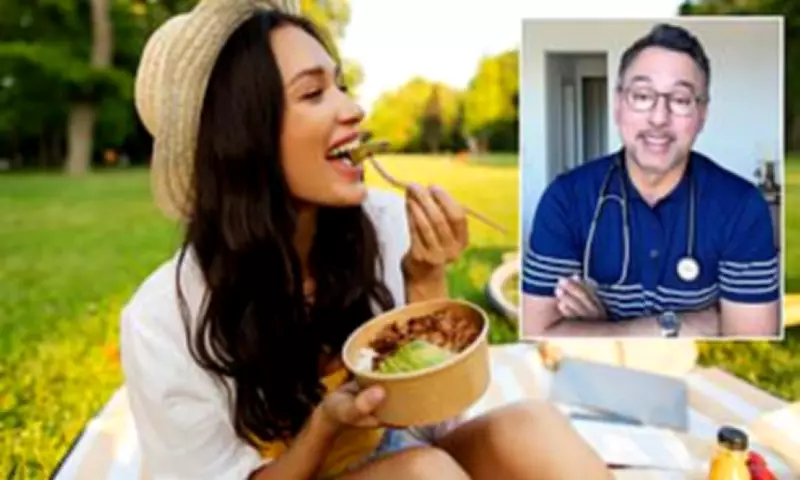
A cancer doctor has revealed the surprisingly simple habits he believes can help people live longer - and none of them involve expensive supplements, extreme diets, or punishing gym routines.
Simple Habits for Longevity
Instead, Dr Amit Garg says some of the most evidence-backed longevity habits are also some of the most realistic: taking naps, staying social, playing racquet sports, and eating a Mediterranean-style diet.
The doctor shared the advice in a TikTok video discussing small lifestyle changes associated with better long-term health outcomes and reduced disease risk.

The Power of Naps
At the top of his list was something unexpected, but many people already secretly love - naps. 'Naps are associated with less heart disease and longer life,' he explained.
While sleep has long been linked to better physical and mental health, researchers increasingly believe short daytime naps may also support cardiovascular health, memory, stress regulation, and overall recovery - particularly when people are consistently sleep deprived.
Racquet Sports and Longevity
The second recommendation surprised many viewers even more. According to Dr Garg, sports like tennis and pickleball appear to have particularly strong links with longevity.
'Pickleball, tennis, and racquet sports can add years to your life,' he said. Over recent years, multiple large studies have suggested racquet sports may be associated with longer life expectancy compared with more sedentary lifestyles - potentially because they combine cardiovascular movement, coordination, and social interaction.
In Australia, pickleball in particular has exploded in popularity among both younger players and older adults looking for a lower-impact form of exercise. The rapidly growing sport - often described as a mix between tennis, badminton, and ping pong - has become one of the country's biggest fitness crazes, with courts appearing in community centres and sports clubs nationwide.
But Dr Garg stressed that physical activity is only one piece of the puzzle.
The Importance of Social Connections
Another major factor linked to longevity, he said, is maintaining strong social connections. 'Be social,' he advised. 'Online or in person, have a community.'
Health researchers have increasingly warned about the physical impact of loneliness and isolation, with some studies suggesting chronic social disconnection may carry health risks comparable to smoking or inactivity. Experts say regular connection - whether through friendships, family, hobbies, sport or community groups - can improve mental health, reduce stress and support healthier ageing.
Diet for Long Life
Finally, Dr Garg pointed to diet as one of the most evidence-backed lifestyle factors affecting long-term health. 'Plant-based or Mediterranean diets - these are evidence-based associations,' he said.
Mediterranean-style diets typically focus on vegetables, legumes, olive oil, whole grains, nuts, fish and minimally processed foods, and have repeatedly been linked to lower rates of heart disease, inflammation and chronic illness.
Achievable Advice
Importantly, the doctor's advice resonated online because it felt achievable. Unlike many viral wellness trends built around restriction, expensive products, or intense routines, Dr Garg's advice centred on habits that are both evidence-based and realistically sustainable long term.
Many of the behaviours he highlighted are consistently linked in research to lower rates of chronic disease, better cardiovascular health and improved overall wellbeing. For people overwhelmed by conflicting health advice online, the recommendations also stand out because they focus less on quick transformations and more on habits people can maintain for years rather than weeks.
The message is ultimately a simple one: longevity is often shaped less by dramatic short-term changes and more by small, repeatable behaviours practised consistently over time.

End-of-Life Regrets
Dr Amit Garg also shared one of the biggest end-of-life regrets among his patients, offering a stark insight into what truly matters when time runs out. Drawing on years of experience treating people facing life-limiting diagnoses, Dr Garg said the pattern is consistent - and often surprising, with patients reflecting less on what they earned or saved, and more on what they didn't do while they still had the chance.
'You want to buy those shoes? Go buy them. You want to take that trip? Take it. You think the restaurant is too expensive? Go eat there,' the oncologist said. 'No one says at the end of their life that "I wish I saved my money".'
Speaking to the Daily Mail, Dr Garg said the sentiment reflects what he sees firsthand in his work. 'As an oncologist I've seen how quickly life can change with a diagnosis. The biggest regret patients have at the end of life is wishing they lived more. My advice - go take that trip, spend time making memories and live now.'