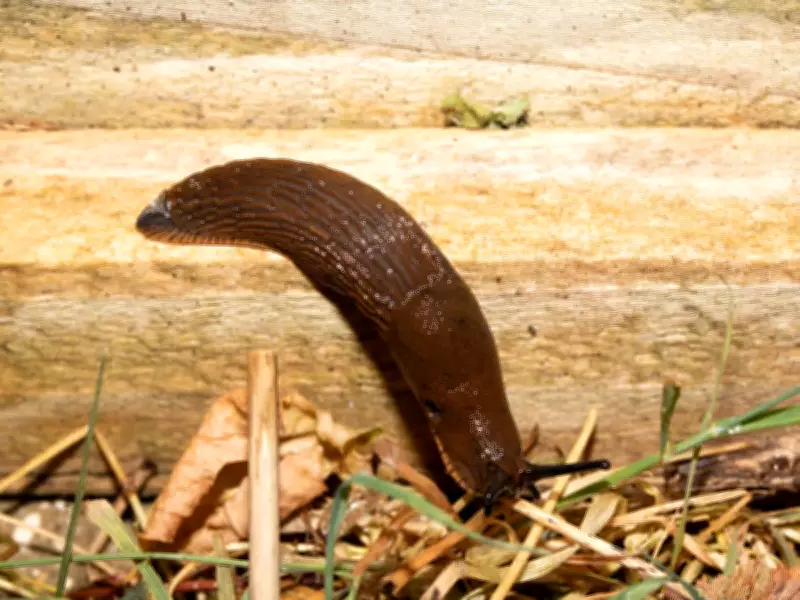
A recent article suggests that protecting potted plants from slugs and snails might be as simple as using a common bathroom product. While these creatures are often seen as garden pests, they actually contribute to biodiversity and are excellent at recycling plant matter, according to Monty Don from BBC Gardener's World. However, he notes they do not distinguish between fallen leaves and young seedlings, which can be problematic for gardeners.
Rain Drives Pests Indoors
A recent piece examining how rainfall drives common pests indoors highlighted rats, mice, ants, spiders, mosquitoes, and slugs. Monty Don has referred to slugs as gardeners' 'public enemy number one' in his blog. Katie Mortram, Household Advice Editor, stated that slugs and snails are 'more outdoors than in,' but after a downpour, they can get 'everywhere,' potentially harming plants.
Practical Advice from Good Housekeeping
Mortram wrote in Good Housekeeping: 'The additional moisture on the ground and in the air makes the environment ideal for their survival and travel. And your damp plants are pre-watered for consumption.' She offered practical guidance: 'As for slugs and snails, you can protect your plants with a few small adjustments. You can create a barrier of eggshells, coffee grounds, wool pellets or copper rings. For potted plants, applying petroleum jelly on the outside of the pot acts as another measure.'

Cost-Free Method Using Old Plant Pots
In other news, Richard, presenter of Sheffield Made Gardens and Sheffield Made Plants on YouTube, shared a cost-free method to deter slugs using an everyday garden item. He suggested repurposing old plastic plant pots to create protective collars. Richard noted that pests had gone on an 'absolute rampage' in his garden this year. He demonstrated cutting the bottom off a plastic pot and placing it over susceptible plants like marigolds to protect them. This simple technique involves snipping around the drainage hole and digging the collar into the soil to keep pests at bay.