

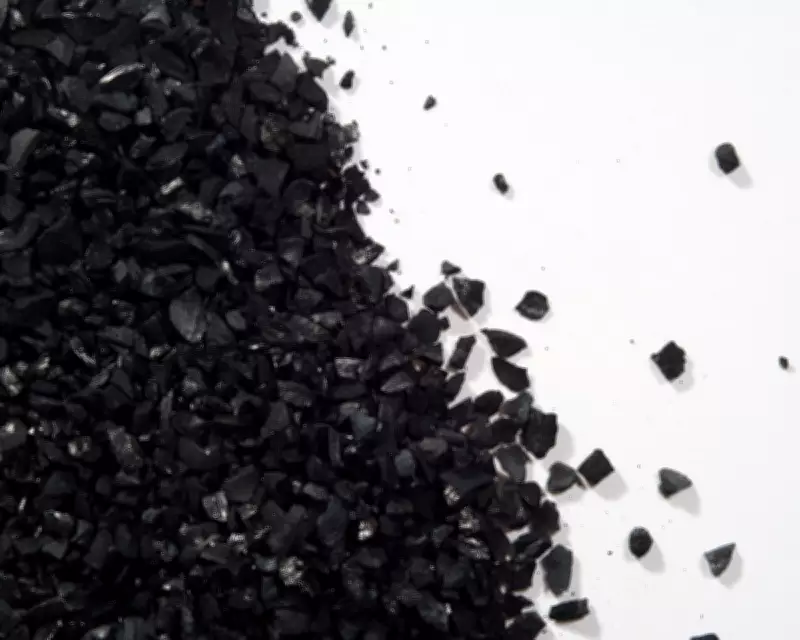
Activated charcoal has become a popular addition to houseplant care routines, promising to filter toxins, absorb odours, prevent mould and keep roots healthy. But does it deliver in an ordinary pot on a windowsill?
The problem
Once you have graduated from being a novice plant parent, you may wonder how to take your level of care to the next level, helping your houseplant not only survive but thrive. Activated charcoal is often listed in terrarium recipes and soil amendments. The bag looks purposeful, and the price suggests it is doing something important. The question is whether any of that holds up in a standard pot with drainage holes.
The hack
Activated charcoal works by adsorption, trapping impurities on its porous surface. In a closed terrarium or bottle garden, where water recycles and there is no drainage, a charcoal layer can slow the buildup of gases and bacteria. However, does that translate to standard houseplant pots?

The method
Add a thin layer of activated charcoal at the base of your pot before filling with compost. You can find it in garden centres, houseplant shops or online. A little goes a long way.
The test
I used charcoal in half a batch of repotted plants and left the other half in a standard mix. After two months, there was no difference in root health, soil odour or plant growth between the two.
The verdict
In a pot with drainage holes and regular watering, excess water drains out. There is no stagnant system for charcoal to filter through, so it just sits there, slowly becoming saturated, adding cost without much benefit. Activated charcoal earns its place in terrariums and closed systems. In an ordinary pot on a windowsill, it is an expensive addition that your plants will not notice.






