While around 30 percent of Americans are taking part in Dry January this year, experts suggest that other month-long health challenges focusing on self-care can offer similar benefits. From fitness to heart, brain or gut health, small steps can make a big difference at any age.
“Self care can have a big impact on quality of life,” said Dr. Sandra Dunbar, a nurse and professor at Emory University. “Ideally, you want good self-care to start in childhood, but it’s never too late to make changes that will improve your health and well-being.”
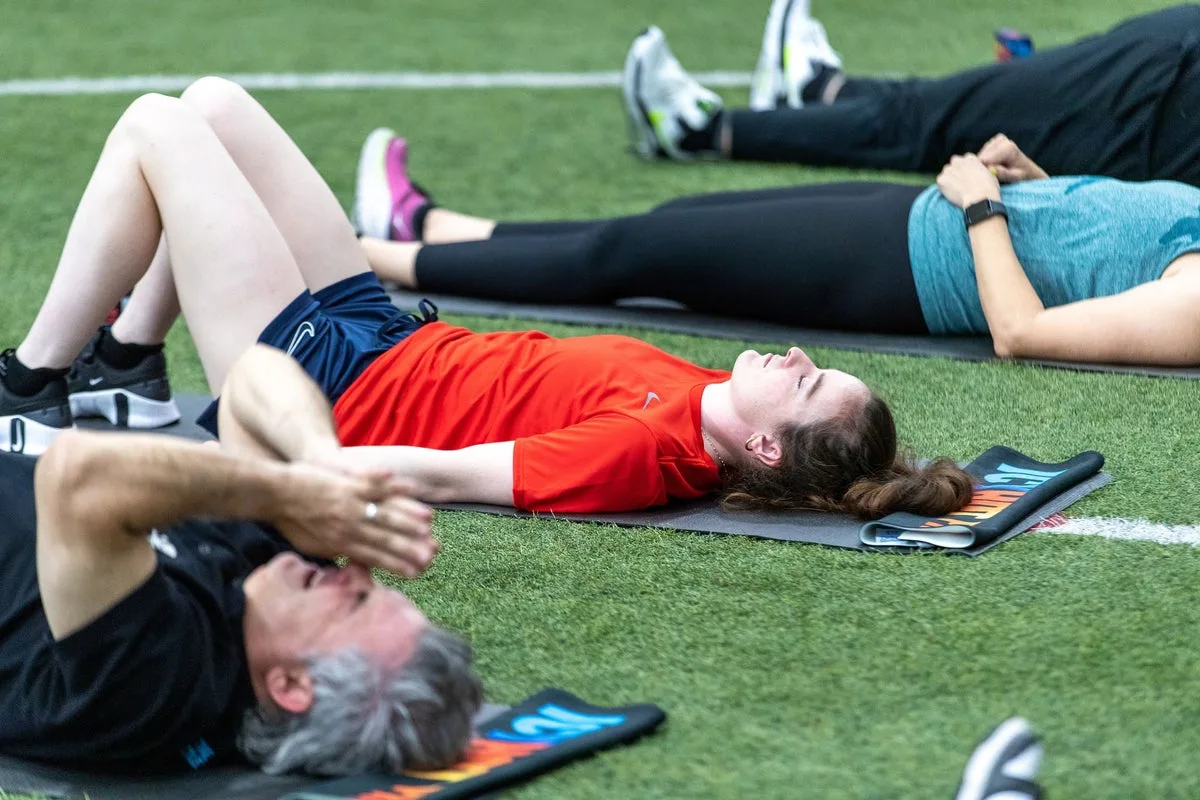
A 30-plus-day fitness challenge remains popular among wellness influencers because it works. Consistent exercise for just a couple of weeks can yield results. Dr. Zachary Sprague, a family medicine physician at Scripps Coastal Medical Center, recommends a comprehensive routine rather than a single exercise like 10 push-ups a day. Full-body classes or online plans combining cardio and weight-lifting are good options. Aerobic exercise and resistance training are particularly important for heart health, according to exercise physiologist Kerry Stewart.

Another alternative is a month-long vegan challenge, known as “Veganuary,” backed by celebrities like Billie Eilish and Joaquin Phoenix. A plant-based diet can promote weight loss, lower cholesterol and reduce colon cancer risk. However, Dr. Jeffrey Soble, a cardiologist at Rush University, warns that vegans must avoid ultraprocessed foods, which increase cancer and heart disease risk. “Refined grains, sweets and junk food are troublemakers for everyone,” he said.
Sleep is another area where a month-long focus can help. Adults need at least seven hours of sleep per night, yet less than half of Americans get enough. Chronic sleep deprivation raises risks for obesity, diabetes, depression, high blood pressure, stroke and heart disease. Dr. Dexter Shurney, president of the American College of Lifestyle Medicine, notes that the sweet spot is seven to eight hours.