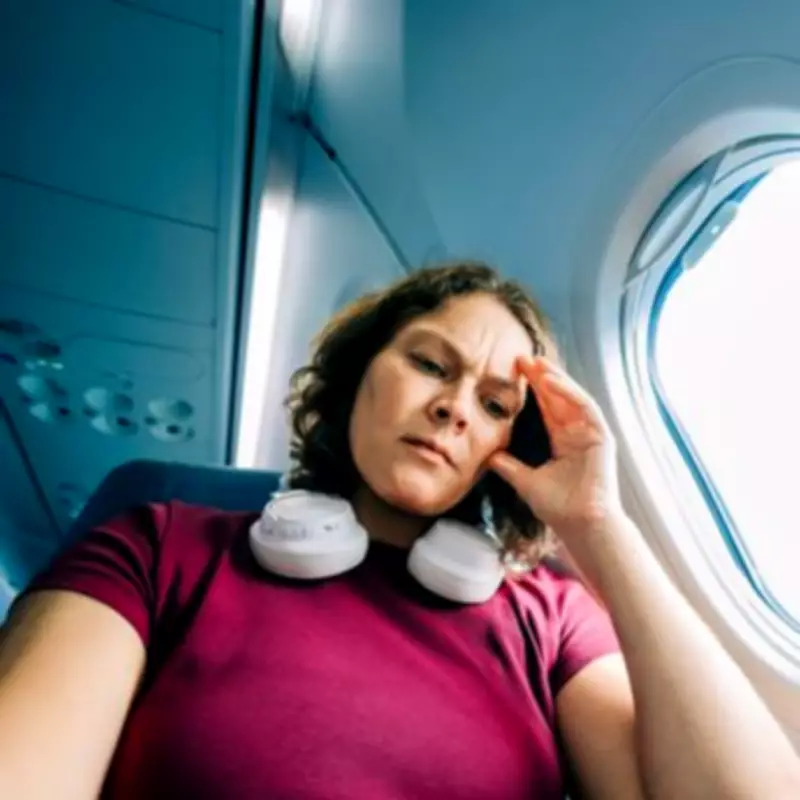
Jetting off on holiday is exciting, but dealing with bloating on a plane is considerably less pleasant. Sadly, it's often an unavoidable part of travelling somewhere sunny for a well-deserved break. Dr Megan Rossi, a respected gut health expert and prominent Research Fellow at King's College London, insists the issue is far more common than you might realise. She has explained why it occurs and outlined some straightforward ways to prevent it.
What Causes Bloating During Flights?
Dr Rossi, who calls the phenomenon 'mile-high IBS', says: "Do you struggle with bloating when flying? If you get gut issues on the go, you're definitely not alone... It's far more common than most people realise, and it's something I call mile-high IBS. It is incredibly common, whether you've been diagnosed with IBS or not. As a plane rises, the cabin pressure drops. This makes the gas in your stomach expand. That can cause bloating, pain, and gas."
Three Simple Tips to Prevent Bloating
Dr Rossi recommends the following three strategies to help minimise discomfort:

1. Reduce High FODMAP Foods Before Travelling
"Reduce your intake of high FODMAP foods 24-48 hours before you travel. Just make sure to reintroduce them when you land, as your gut microbes love them." Fermentable Oligosaccharides, Disaccharides, Monosaccharides and Polyols — commonly known as FODMAPs — are short-chain carbohydrates that the small intestine finds difficult to absorb. For those living with irritable bowel syndrome (IBS) or certain digestive issues, following a low FODMAP diet can help alleviate symptoms. Foods with a high FODMAP content include garlic, onions, cow's milk, apples, pears, and cauliflower. Low FODMAP options include oats, sourdough bread, green beans, kiwi fruit, peanuts, and walnuts.
2. Avoid Gas Producers
"Avoid the gas producers. Fizzy drinks, chewing gum, and large, fatty meals can all increase gas and slow your digestion. Try to reduce - or completely avoid - these before flying."
3. Move and Hydrate
"And when you're flying, stay well hydrated and move around as much as you can to support your digestion."
What Impact Does Flying Have on the Body?
Flying can produce a surprisingly wide range of effects on the human body. General practitioner Shozab Khan explained to Nuffield Health: "Many of us silently dread the ascent to 30,000 feet and there are some minor and potentially severe ailments and conditions that can develop when we get there." A well-known condition that can occur as a result of flying is blood clot formation in one of our deep veins, officially known as deep vein thrombosis (DVT), which is most common in the legs. A number of factors in aircraft cabins have been reported to increase our risk of developing DVT, including cramped seating positions, immobility, dehydration and the consumption of alcoholic and diuretic drinks like tea and coffee, the low humidity of the aircraft cabin, lower oxygen at such a high altitude, and cabin pressure.
"Deep vein thrombosis can be serious because blood clots in the veins can break loose. The clots can then travel through the bloodstream and get stuck in the lungs, blocking blood flow (this is called a pulmonary embolism). It's important to remember that this is a life-threatening condition." Jet lag is another common complaint. Dr Khan says: "When we cross time zones too rapidly, a 'misalignment' of our circadian rhythm occurs. The change in light exposure causes adjusted production of melatonin (the sleep hormone), and so when we land after a long flight, we can end up feeling a little dazed and confused." Many of us grumble about picking up a cold while travelling by air — and Dr Khan insists this is no coincidence. She says: "Low humidity and proximity to other passengers make the cabin on an airplane the perfect transmission ground for the common cold. If you regularly return from your summer holiday with the sniffles, chances are it's not all bad luck. Research suggests you may be as much as 100 times more likely to catch a cold on a plane than you would elsewhere."