
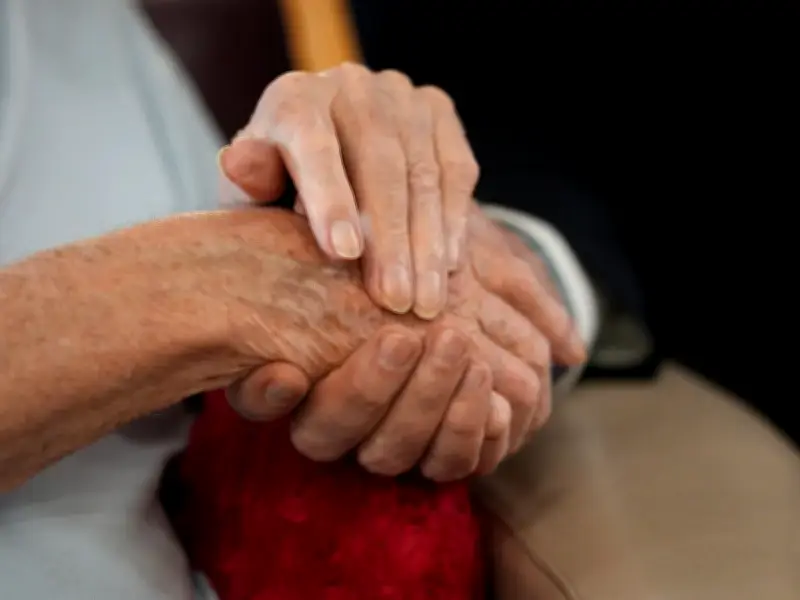
People with dementia or a range of mental health conditions in the North East have been invited to take part in a pioneering study that could help researchers to resolve some of the "unanswered questions" around the illnesses. The hope is that 50,000 people around the country will sign up - and the North East is one of three places leading on the recruitment of dementia patients.
Study aims to recruit 50,000 participants
Dr Judith Harrison is a clinical lecturer in old age psychiatry at Newcastle University. She is playing a key role in the dementia side of the study. She said: "With the Global Minds study, we are laying the foundations for what will be many, many pieces of valuable research in the future."
"This brings together a huge range of people with a huge range of neuropsychiatric illnesses and we will be able to use this data to do a whole range of things in the future that would otherwise have been very difficult to do. There are lots of unanswered questions. Things such as - 'who is at most risk of dementia?' and 'at what point should we be aiming to intervene?'."
Inclusive approach for dementia patients
Dr Harrison said that what was especially positive was that the study enabled those who - due to the progression of their condition - might otherwise not have been able to take part in research, to do so. She added: "We want to be able to improve the outlook for people living with dementia and this research gives us the most likely way that we have to pave the way for new treatments."
"One of the really nice things about this study is that it is open to people with dementia over the majority of the course of the illness. In our experience a lot of people with dementia are very committed to trying to improve our understanding of the condition and improve the treatment outcomes for future generations."
Dr Samantha Yuille is a senior clinical project manager on the study. She works for Akrivia Health, which is sponsoring the research. She said: "It's the largest and most in-depth study of its kind. It brings together thousands of people with a view to creating a resource researchers can use to learn from to understand the underlying causes of severe mental health conditions and dementia."
Digital library to support future research
The study has the aim of recruiting 50,000 people across England and Wales who are living with depression, schizophrenia, bipolar disorder and related conditions, along with people who have dementia. The idea is to create a "digital library" of health data, samples and genetic information to support the research of the future.
It is sponsored by Akrivia, in partnership with Cardiff University and NHS Trusts like Cumbria, Northumberland, Tyne and Wear (CNTW) in our region. It is backed by the National Institute for Health and Care Research (NIHR) and funded by the Wellcome Trust and Johnson & Johnson.
174 people have joined the study in our area through CNTW. Daisy Mbwanda, principal investigator for the trial and associate director at CNTW, said: "Dementia affects people in very different ways, and we still have a great deal to learn about why those differences occur. GlobalMinds will allow us to combine detailed clinical, biological and genetic information at an unprecedented scale."
"Every person who takes part helps us build a richer picture of dementia, bringing us closer to earlier, more precise diagnosis and better treatments."
David Newton, CEO, Akrivia Health, said: "Healthcare organisations in the UK are at the interface between patients and research, and critically important to ensuing the patient is considered first in research design and delivery."
"Working with Akrivia's network of organisations has been a vital aspect of GlobalMinds' success, and we've benefitted from collaboration and innovation with their research teams. CNTW have been at the forefront of that and continue to make a great impact in GlobalMinds, crucially supporting patients with Dementia to access research."
How to take part
People can sign up either online or through their NHS clinic. All that is required is to complete a health questionnaire, and provide a blood or saliva sample from the comfort of their own home or during a visit to a nearby NHS venue. Families and carers of those with dementia who are not able to consent themselves, are able to do so in line with the law.
So far, 329 people with dementia have signed up for the study across the 3 NHS Trusts taking part. The aim is to increase that to 1,000.




