
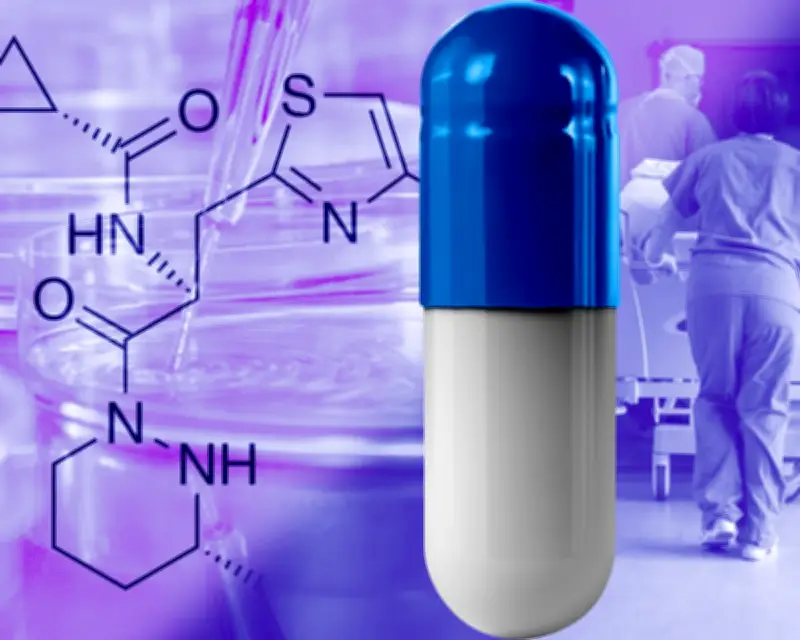
A new drug called daraxonrasib has doubled survival time for pancreatic cancer patients in a recent clinical trial, offering new hope in the fight against this deadly disease. The Guardian has published an editorial reflecting on this breakthrough, emphasizing that progress in cancer treatment often comes through small victories rather than grand triumphs.
Breakthrough at ASCO Meeting
The findings were presented at the American Society of Clinical Oncology meeting in Chicago, alongside other promising developments. These include a new jab effective against head and neck cancers and an immunotherapy that could spare bladder cancer patients from invasive surgery. However, the most significant news is daraxonrasib, which targets a family of molecules known as Ras, long considered 'undruggable' since the 1980s.
Impact on Pancreatic Cancer
Pancreatic cancer has few effective treatments and is particularly lethal. In the UK, only about 5% of patients survive five years after diagnosis. In the trial, daraxonrasib extended average survival from six to 13 months. While this may seem modest, the editorial argues that these extra months are precious to patients and their loved ones. Moreover, such advances can build on each other, much like the combination of drugs that turned HIV from a death sentence into a manageable condition.
Broader Implications
Daraxonrasib may also transform treatment for other cancers where Ras plays a role, such as 40% of colorectal cancers and 30% of small-cell lung cancers. Trials are already underway. The editorial highlights two key lessons: first, that scientifically impossible challenges can be overcome through generations of minor advances; second, that routine genetic screening now allows doctors to identify which patients will benefit from targeted therapies, expanding the use of new drugs.
Real Progress in Cancer Research
Survival rates in the UK have doubled since the 1970s, and Cancer Research UK's chief executive, Michelle Mitchell, calls this a 'golden age for cancer research'. The editorial concludes that real progress is not a grand victory but a series of small advances that win more remissions, more time, and more life for patients.




