
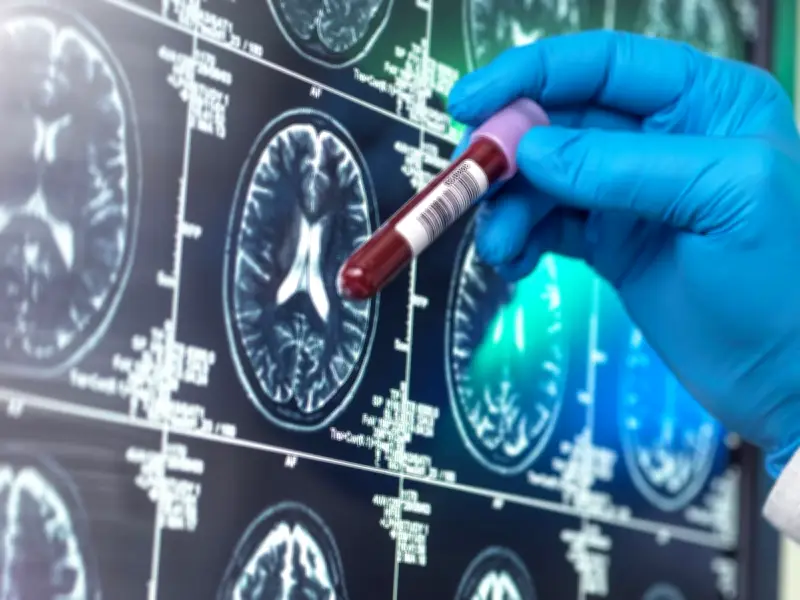
Scientists at the University of Manchester have identified a 'window of opportunity' after surgery to remove a glioblastoma, a fast-growing and aggressive brain tumour, that could prevent it from returning. The research suggests that instead of waiting four to six weeks for chemotherapy to begin, treatment could be most effective in the minutes and days immediately following the operation.
Disruption of the blood-brain barrier
The study shows that the blood-brain barrier, a tightly packed layer of cells that protects the brain but also limits drug concentrations, is 'disrupted' after surgery. This disruption creates a brief vulnerability that could be exploited to attack cancerous cells left behind.
Dr Thomas Kisby, co-lead of the study, said: "For the first time, we've shown that glioblastoma surgery briefly exposes a vulnerability we can exploit. If treatment is timed during specific windows we identified, it is able to halt the disease significantly before it regrows."
Potential to reshape care
The findings, though in early stages, could reshape care for glioblastoma patients. Dr Kisby added: "We suggest that the hours and days immediately after surgery may hold the key to stopping glioblastoma from returning. It also raises the possibility that other established medicines could be redeployed in smarter, more strategic ways."
The research, conducted in mice, found windows at 15 minutes and 48 to 72 hours post-surgery. By exploiting these time frames, they 'effectively suppressed tumour recurrence'.
Expert insights
Professor Kostas Kostarelos, co-lead from the University of Manchester and the Catalan Institute of Nanoscience and Nanotechnology in Barcelona, said: "This research has the potential to open a new frontier in post-operative cancer care. After surgery, brain tumours often grow back from the tissue surrounding the area where the tumour was removed. We propose using the latest targeted treatments, including nanoparticle-based medicines, immunotherapy, and gene therapies, to treat this high-risk area and improve patients' chances of long-term survival."
Dr Gerben Borst, an honorary consultant oncologist at The Christie NHS Foundation Trust, noted: "One of the greatest challenges in treating glioblastoma is eliminating the microscopic cancer cells that remain after surgery. These findings suggest that a better understanding of the body's natural response to surgery could help us deliver anti-cancer drugs more effectively, rather than relying solely on the development of entirely new and costly medicines."
Professor Robert Bristow, director of the Manchester Cancer Research Centre, added: "Glioblastoma is the deadliest form of brain cancer, so these research results are incredibly exciting and promises a potential breakthrough in the work to stop the tumour cells growing back after surgery."
Related plea from swimmer
The discovery follows an emotional plea from Scottish swimmer Archie Goodburn to Prime Minister Andy Burnham to establish a national brain cancer lead. Goodburn, 25, diagnosed with brain cancer at 22, said on BBC Breakfast: "Please invest and make the difference. I'm on my knees begging for not just my own life but those who are affected and the families all around the country. This has to change, it has been going on for too long and the suffering is unbearable." The Prime Minister invited Goodburn to meet him.




