Lab-Grown Retinal Cells Restore Function in Mice
Biomedical engineers at Duke University have successfully grown specialised blood vessel cells from human stem cells and used them to restore retinal function in mice, offering new hope for treating blindness and vision loss. The study, published in Nature Biomedical Engineering, demonstrates that induced pluripotent stem cells (iPSCs) can be transformed into retinal endothelial cells, which are crucial for maintaining the blood-retinal barrier.
How the Breakthrough Works
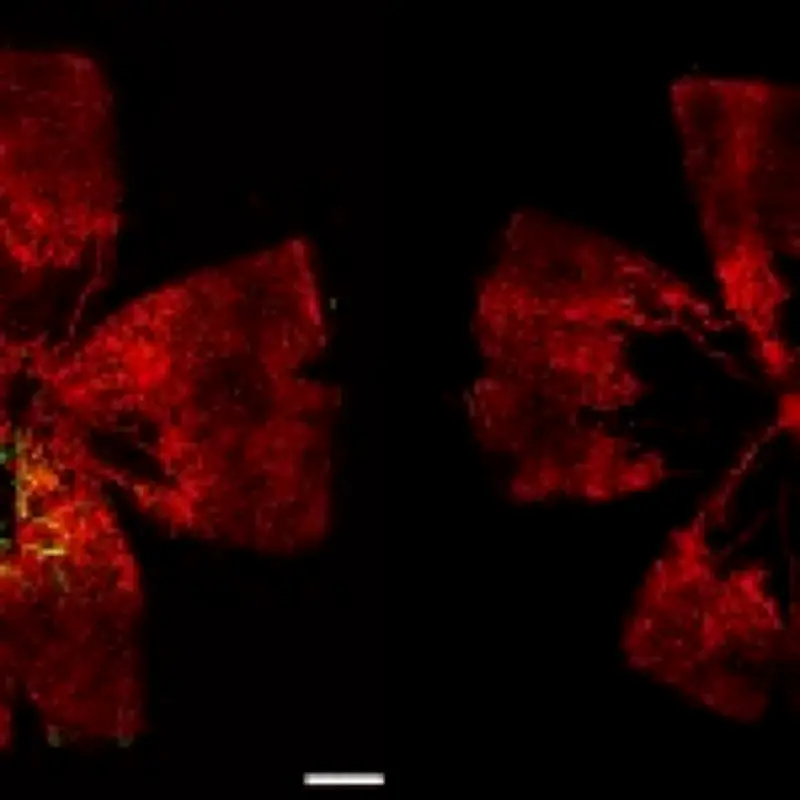
The research team, led by Professor Sharon Gerecht, took commercial iPSCs and used a well-established procedure to grow them into common endothelial cells. They then applied a cocktail of growth factors to coax these cells into becoming the specific type of endothelial cells found in the retina. When injected into mouse models of retinal disease, these cells integrated into damaged tissue and regenerated blood vessels, restoring retinal function.
Professor Gerecht said: 'Retinal vascular diseases affect millions of people, but our understanding remains limited, hindering our ability to discover and develop new therapeutics. Using human stem cells, we generated the cells found in retinal blood vessels, paving the way for new therapeutic approaches.'

Potential for Treating Diabetic Retinopathy
The team also subjected the lab-grown tissues to low oxygen and high glucose levels, conditions that trigger diabetic retinopathy – the leading cause of vision loss in working-age people in the United States. The tissue barrier broke down just as it does in patients, confirming the model's accuracy. When injected into mice before vision loss occurred, the cells helped develop strong blood vessels with robust barriers.
Study first co-author Parker Esswein, a PhD student in the Gerecht lab, said: 'The tests showed that these lab-grown cells have promise for preventative treatments, especially since they should be easier and cheaper to obtain using our technique.'
Overcoming Supply Challenges
Currently, retinal endothelial cells are collected from real patients, making them expensive and limited in supply. The Gerecht lab's method of growing them from iPSCs could reduce costs and increase accessibility. Esswein noted: 'When this specialised blood vessel tissue begins to break down, it can cause a lot of different diseases that lead to vision loss. While there are sources of retinal endothelial cells, being able to grow a continuous supply from scratch could offer many advantages for those working in the field.'
Future Research and Applications
The team plans to explore potential uses for their retinal endothelial cells both in the lab and through industry partnerships. They have a patent pending covering both stem cell-based therapeutics and in vitro modelling for drug discovery and testing. Professor Gerecht added: 'This barrier is formed by blood vessel tissue comprising a tight network of retinal endothelial cells, in concert with other specialised cells called pericytes and astrocytes. The specificity of these cells and the fact that they do not form in other areas of the body make the complex tissue difficult to heal or to grow from scratch.'