
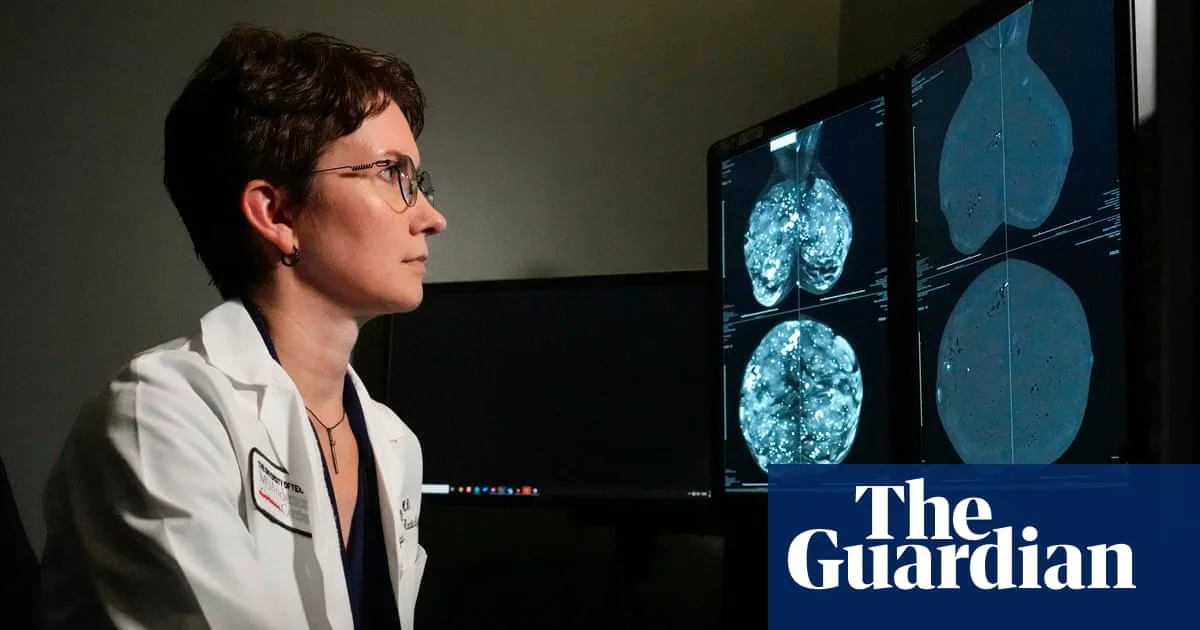
An international trial has found that a genomic test can identify breast cancer patients who can safely forgo chemotherapy, potentially sparing millions from its debilitating side-effects. The study, led by University College London, followed more than 4,000 patients with newly diagnosed breast cancer across the UK, Norway, Sweden, Australia, New Zealand and Thailand.
Breast cancer is the most common cancer worldwide, and treatment typically involves surgery followed by chemotherapy when there is a risk of recurrence. However, chemotherapy can cause hair loss, nausea, fatigue, infertility and cognitive impairment, among other serious effects. For decades patients have had little choice, but the new test may change that.
The Prosigna test, made by diagnostics company Veracyte, analyses the activity of 50 genes in tumour tissue and provides a score predicting the likelihood of the cancer returning within ten years. In the trial, patients with hormone-positive breast cancer – which accounts for up to 80% of cases – were randomly assigned to receive either standard chemotherapy plus hormone therapy, or treatment guided by the test.
For those with a low test score who received hormone therapy alone, the outcomes were almost identical to those who had chemotherapy. After five years, 95% of the chemotherapy group were alive and recurrence-free, compared with 94% of those who skipped it. Professor Rob Stein, the trial's chief investigator, said the results marked a significant step towards more personalised treatment and could spare many patients the physical and emotional burden of chemotherapy.
One participant who avoided chemotherapy described the relief as "like Christmas". Nine years on, she is healthy and enjoying an active life. The findings will be presented at the American Society of Clinical Oncology's annual meeting in Chicago, and experts say they could transform healthcare guidelines worldwide.




