
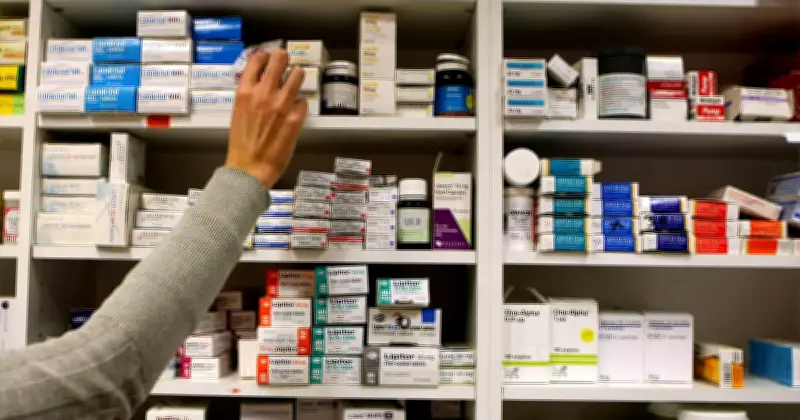
Pharmacologist Rod Flower's new book, Drugs: The Story of Pharmacology, celebrates the intriguing inner workings and extraordinary healing power of drugs, which have been used by humankind since pre-history. Today, more than 1.2 billion prescriptions are written annually in the UK alone, and the active components of these medicines are drugs—the study of which is the main activity of pharmacologists.
Drugs in a Desert Island Scenario
To illustrate the importance of drugs, Flower imagines a scenario where one is stranded on a deserted island with a medical kit containing 10 selected medicines. He divides these into three categories: those that correct bodily imbalances, those that fight infectious organisms, and a 'lifestyle' category.
Painkilling Medicines
Morphine, the gold standard for painkillers, mimics endorphins and has been used for thousands of years. Aspirin, first synthesised in 1899, is a derivative of salicylic acid and a workhorse drug that reduces pain, fever, and inflammation. Ibuprofen is a potent and well-tolerated NSAID, while paracetamol is a safe everyday analgesic but lacks anti-inflammatory action.
Prednisolone, an orally active analogue of hydrocortisone, treats systemic diseases like asthma and arthritis. Hydrocortisone cream is versatile for skin irritations. Metoprolol, a beta-blocker, reduces cardiac workload and helps with irregular heartbeats, chest pains, and anxiety.
Fighting Infectious Diseases
Infectious diseases are a major threat on a tropical island. Amoxicillin, a penicillin relative, kills bacteria by preventing them from building a protective membrane, and clavulanic acid enhances its action. Quinine, extracted from Cinchona bark, was the first antimalarial, while artemisinin and its derivatives are now more common. Metronidazole treats amoebic dysentery by damaging protozoal DNA, and mebendazole is a broad-spectrum anti-helminthic that prevents worms from absorbing nutrients.
Lifestyle Drugs
Flower's final choice is alcohol, which has been associated with medicines for centuries. He suggests a bottle of gin or vodka as an antiseptic, sedative, and analgesic, noting that "no matter how desperate your plight, it won't seem quite as bad after a coconut martini!"




